



Quick Answer: Which One Should You Choose?
Choose hydradermabrasion when the treatment goal is a water-based, lower-abrasion treatment with a short recovery and you have dehydrated or reactive-but-stable skin; choose microdermabrasion when a provider recommends mechanical resurfacing for rough texture on resilient skin and you accept a day or so of pinkness (AAD, Microdermabrasion: FAQs). A crucial caveat: the presence of any AAD, Microdermabrasion: FAQs; AAD, Is any acne treatment safe to use during pregnancy? contraindication overrides the preference — in that case, postpone and consult a professional rather than picking either treatment.
Hydro dermabrasion is a generic technique category; HydraFacial® is a registered, closed brand system — they are not synonyms (FDA, Aesthetic (Cosmetic) Devices). Effects from either are temporary and vary by individual (FDA, Aesthetic (Cosmetic) Devices).
What Is Microdermabrasion?
Microdermabrasion is a dry physical exfoliation that uses fine crystals or a diamond-tipped wand to mechanically buff away the outermost dead-cell layer; no liquid is part of the abrasion step (PMC: PMC4155739, PMC: PMC4155739). A review describes it as one of the most common office resurfacing procedures, with most literature based on subjective assessment and "mild but definite" improvement after repeated sessions (PMID: 16792646, DOI: 10.1111/j.1524-4725.2006.32165.x). An evidence-based review notes its effect on dyspigmentation and acne is limited, though it can alter dermal matrix components and improve contour irregularities (PMID: 20048628).
| Aspect | Sourced description |
|---|---|
| How it feels | A mild sanding or suction sensation; comfort varies by device and operator (AAD, Microdermabrasion: FAQs) |
| Best-fit scenario | Resilient, thicker or congestion-prone skin where mechanical smoothing of rough surface texture is the goal (PMID: 16792646, DOI: 10.1111/j.1524-4725.2006.32165.x) |
| Expected recovery | Transient pinkness or slight swelling usually settling within about one day (AAD, Microdermabrasion: FAQs) |
| Typical course | Commonly 4–6 sessions spaced 2–4 weeks apart, adjusted to response; the AAD describes 5–16 sessions at weekly-to-monthly intervals as context, not a rule (AAD, Microdermabrasion: FAQs) |
Claims that it removes "sun damage", treats acne, or produces a defined result after a fixed session count are not supported by these sources (PMID: 20048628).
What Is Hydradermabrasion?
Hydradermabrasion (a "hydro facial" or "aqua peel") is a generic, water-assisted technique: under negative pressure and a fluid stream it lifts off surface cells and debris while delivering a water-based solution onto the freshly resurfaced surface in the same pass (PMC: PMC4155739; Freedman 2008, PMID: 19146604, DOI: 10.1111/j.1473-2165.2008.00406.x). The defining difference from dry microdermabrasion is combined exfoliation and hydration. A 20-woman randomised study over 6 sessions reported increased epidermal and papillary-dermal thickness and polyphenol antioxidant levels alongside improvements in fine lines, pores and hyperpigmentation, with no complications reported — a single small study whose results are temporary (Freedman 2008, PMID: 19146604, DOI: 10.1111/j.1473-2165.2008.00406.x).
Recovery is graded, not zero. An 8-subject imaging study observed visible erythema resolving over 2–5 days after light-to-moderate treatment, without reported breakouts, irritation, dryness or post-inflammatory hyperpigmentation (Razi 2024, DOI: 10.1111/srt.13684, PMC: PMC10983707). A light pass may settle quickly; a more intensive pass can leave redness for several days. A common plan is 4–6 sessions spaced 2–4 weeks apart, adjusted to skin response (AAD, Microdermabrasion: FAQs).
Hydradermabrasion vs Microdermabrasion: Key Differences
The table compares the two across nine sourced dimensions, including a price band and best-fit scenario. Rows describe typical characteristics, not a verified ranking of outcomes.
| Dimension | Microdermabrasion | Hydradermabrasion |
|---|---|---|
| Mechanism | Dry crystal or diamond-tip mechanical abrasion (PMC: PMC4155739) | Water-based solution plus negative-pressure exfoliation in one pass (PMC: PMC4155739) |
| Exfoliation medium | Crystals / diamond tip, no liquid in the abrasion step | Fluid stream + solution applied to the resurfaced surface |
| Comfort | Sanding or suction sensation; variable (AAD, Microdermabrasion: FAQs) | Cooling, suction-like sensation; comfort varies with intensity (Razi 2024, DOI: 10.1111/srt.13684, PMC: PMC10983707) |
| Hydration | Can leave skin dry; moisturising advised (AAD, Microdermabrasion: FAQs) | Solution applied during the pass; hydration-focused aftercare |
| Expected redness / recovery | Transient pinkness usually within about one day (AAD, Microdermabrasion: FAQs) | Graded: light pass settles quickly; moderate-intensity erythema 2–5 days (Razi 2024, DOI: 10.1111/srt.13684, PMC: PMC10983707) |
| Typical course | 4–6 sessions, 2–4 weeks apart, adjusted; AAD cites 5–16 as context (AAD, Microdermabrasion: FAQs) | 4–6 sessions, 2–4 weeks apart, adjusted (Freedman 2008, PMID: 19146604, DOI: 10.1111/j.1473-2165.2008.00406.x) |
| Evidence limits | Mostly subjective, "mild but definite" improvement; limited on acne/pigmentation (PMID: 16792646, DOI: 10.1111/j.1524-4725.2006.32165.x; PMID: 20048628) | Small studies (20 and 8 subjects); temporary changes, wide individual variation (Freedman 2008; Razi 2024, DOI: 10.1111/srt.13684, PMC: PMC10983707) |
| Best-fit scenario | Resilient, thicker skin; mechanical texture smoothing (PMID: 16792646, DOI: 10.1111/j.1524-4725.2006.32165.x) | Dehydrated or reactive-but-stable skin; short-recovery, hydration-first goal |
| Device price band (purchase, not service price) | No first-party price data for a stand-alone microdermabrasion device here; refer to the product page / user manual | Generic hydro machines listed at $239.00–$1,249.00 by configuration, as listed on the product page, subject to change |
Per-session service prices vary by region and provider and have no first-party source in the fact base, so we do not quote a specific number; ask the clinic for its current fee. Any regulatory status depends on intended use, and a 510(k) is a substantial-equivalence notification rather than an endorsement of efficacy (FDA, Aesthetic (Cosmetic) Devices; FDA, 510(k) Clearances).
What Does the Evidence Actually Show About Results?
Neither technique has strong evidence of superiority. The hydro dermabrasion literature is a 20-person randomised study and an 8-person imaging study reporting short-term changes in texture, thickness and tone (Freedman 2008, PMID: 19146604, DOI: 10.1111/j.1473-2165.2008.00406.x; Razi 2024, DOI: 10.1111/srt.13684, PMC: PMC10983707); the microdermabrasion literature is mostly subjective with mild improvement after repeat sessions, and its effect on acne and dyspigmentation is limited (PMID: 16792646, DOI: 10.1111/j.1524-4725.2006.32165.x; PMID: 20048628). The FDA notes aesthetic-device effects may be less than expected, may be temporary, and carry risks (FDA, Aesthetic (Cosmetic) Devices).
So a claim that either treatment clears acne, removes wrinkles for good, or heals atrophic scars is unsupported. Expect a temporary, subtle improvement in surface smoothness and hydration, with substantial individual variation.
Which Facial Should You Choose? Decision Criteria
Use the following checklist as judgment criteria, and let a qualified professional confirm before booking.
- Skin tolerance first. Active rosacea, an inflammatory acne flare, an infection, an open wound or a changing lesion means postponing both treatments (AAD, Microdermabrasion: FAQs; AAD, Chemical peels: FAQs).
- Medication and life stage. Isotretinoin within 6 months, and pregnancy or breastfeeding, are reasons to delay and consult a doctor (AAD, Microdermabrasion: FAQs; AAD, Is any acne treatment safe to use during pregnancy?).
- Recovery window. If you need the shortest possible recovery, a light hydro pass is the gentler option; if you can accept about a day of pinkness, microdermabrasion is workable (AAD, Microdermabrasion: FAQs).
- Primary goal. Hydration-first glow → hydro dermabrasion; mechanical smoothing of rough texture on resilient skin → microdermabrasion (PMID: 16792646, DOI: 10.1111/j.1524-4725.2006.32165.x).
- Solution allergy. A known allergy to any serum, acid or preservative rules out the hydro option until reviewed.
- Expectation check. Both are temporary maintenance treatments, not one-off fixes (FDA, Aesthetic (Cosmetic) Devices).
For the full contraindication list and reaction grading, see hydro dermabrasion side effects and who should avoid it.
Side Effects, Downtime & Safety
Both techniques are generally well tolerated, but "low-risk" is not "risk-free" and reactions differ in duration. Common transient effects are pinkness, tightness and slight oedema; microdermabrasion pinkness usually settles within about one day, while moderate-intensity hydro dermabrasion erythema can last 2–5 days (AAD, Microdermabrasion: FAQs; Razi 2024, DOI: 10.1111/srt.13684, PMC: PMC10983707). Persistent or worsening redness, burning, itching, increasing swelling or signs of infection warrant stopping and contacting a professional (FDA, Aesthetic (Cosmetic) Devices).
Postpone and seek evaluation for: isotretinoin use within 6 months; growing, bleeding or changing lesions; a keloid or abnormal-scarring tendency; active infection, open wounds or a herpes outbreak; active rosacea or inflammatory acne; pregnancy or breastfeeding (insufficient safety data); and allergy to the solution used (AAD, Microdermabrasion: FAQs; AAD, Chemical peels: FAQs; AAD, Dermatologist-approved pregnancy skin care). The AAD states pregnancy safety data are lacking and decisions belong with a dermatologist or obstetric clinician (AAD, Is any acne treatment safe to use during pregnancy?).
Aftercare & Recovery
Aftercare is conservative for both: protect the barrier, avoid added irritation, and follow the operator's timing rather than a fixed hour count. The AAD advises moisturising and sun protection after exfoliating treatments (AAD, Microdermabrasion: FAQs).
- Gentle cleanser and a bland moisturiser; keep skin hydrated (AAD, Microdermabrasion: FAQs).
- Broad-spectrum SPF 30 or higher, reapplied at least every 2 hours when exposed; tinted sunscreen with iron oxides can help prevent and fade dark spots in deeper skin tones (AAD, How to fade dark spots in darker skin tones; AAD, Chemical peels: FAQs).
- Avoid sun exposure, tanning beds, picking and scrubbing; pause retinoids, acids and exfoliants based on your pre-treatment assessment.
- Follow the device user manual and the operator's instructions; report burning, itching or worsening swelling.
- Makeup timing and resumption of actives follow the written aftercare guidance you provide, not an assumption of an unrestricted immediate return.
Device Options & Price Bands: If You Plan to Buy
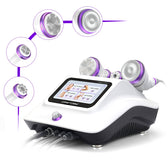
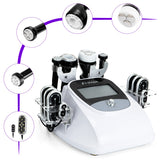
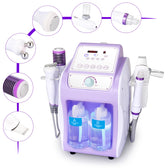
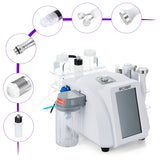
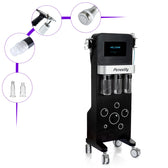
If you are choosing equipment rather than a single treatment, rank machines by function mix and setting, not by a promised outcome. The table below is the 2026-11-14 verified listing; prices are as listed on the product page, subject to change, and every other specification — suction, tip count, frequency, certification, warranty and shipping — should be checked on the product page / user manual.
| Model | Listed price (2026-11-14) | Fit and reason to choose it |
|---|---|---|
| 6-in-1 | $239.00, as listed on the product page, subject to change | Lowest-cost entry to a multi-function hydro setup; suits a small room or a first device |
| 8-in-1 compact | $329.00, as listed on the product page, subject to change | Compact footprint with more integrated functions; suits mobile or limited-space use |
| 8-in-1 standing | $1,249.00, as listed on the product page, subject to change | Highest-throughput configuration for a busy salon with a fixed treatment room |
| 7-in-1 LED-mask variant | $295.00, as listed on the product page, subject to change | Choose only if LED finishing is actually part of your protocol |
| 7-in-1 AI skin-analysis variant | $999.00, as listed on the product page, subject to change | Choose only if imaging-based consultation is part of your workflow |
These are purchase price bands for generic hydro machines, not per-session service prices. Compare current models in the hydro dermabrasion machine collection. Note that whether a device is regulated depends on its intended use, and dermabrasion devices are generally Class I and 510(k)-exempt in many cases under 21 CFR 878.4820 / 878.4800 — a classification, not an endorsement of any specific model (FDA, Aesthetic (Cosmetic) Devices; FDA, Guidance for Dermabrasion Devices).
How to Choose — The Short Version
If a client's skin is stable, dehydrated or easily irritated and you want a short-recovery, hydration-first treatment, hydradermabrasion is the reasonable starting point. If your assessment indicates mechanical smoothing of rough texture on resilient skin and about a day of pinkness is acceptable, microdermabrasion is reasonable. In every case, screen the AAD, Microdermabrasion: FAQs; AAD, Is any acne treatment safe to use during pregnancy? contraindications first, keep expectations temporary and subtle, and let a qualified professional set the interval. When you are ready to compare equipment rather than treatments, start with the hydro dermabrasion machine collection.
Frequently Asked Questions
Which is more painful?
Neither is usually described as painful, but comfort is individual. Microdermabrasion tends to feel like sanding or suction, and hydradermabrasion like a cooling, suction-like pass; intensity and the operator matter more than the technique (AAD, Microdermabrasion: FAQs; Razi 2024, DOI: 10.1111/srt.13684, PMC: PMC10983707). Report burning or increasing discomfort during the session.
Can I do both?
Not on your own initiative — combining two resurfacing treatments needs an operator's assessment. The AAD describes roughly a week between early microdermabrasion sessions and PMID: 19146604; AAD, Microdermabrasion: FAQs sets a common 2–4 week interval; no primary source supports a fixed "do both one week apart" rule (AAD, Microdermabrasion: FAQs). Let your provider sequence any combination.
How often should I get one?
A common plan for either is 4–6 sessions spaced 2–4 weeks apart, adjusted to skin response; research intervals of 7–10 days describe a study protocol, not a universal rule (Freedman 2008, PMID: 19146604, DOI: 10.1111/j.1473-2165.2008.00406.x; AAD, Microdermabrasion: FAQs).
Which is better for acne scars?
Neither has primary evidence supporting improvement of atrophic acne scars. Microdermabrasion's effect on acne is limited (PMID: 20048628), and the hydro dermabrasion studies measured texture, thickness and tone rather than scar revision (Freedman 2008, PMID: 19146604, DOI: 10.1111/j.1473-2165.2008.00406.x; Razi 2024, DOI: 10.1111/srt.13684, PMC: PMC10983707). Deeper scar concerns need a professional assessment (AAD, Microdermabrasion: FAQs).
Do I need downtime?
Plan for a short, graded recovery rather than none. Microdermabrasion pinkness usually settles within about one day, while moderate-intensity hydro dermabrasion erythema can last 2–5 days; follow your operator's aftercare instructions in the meantime (AAD, Microdermabrasion: FAQs; Razi 2024, DOI: 10.1111/srt.13684, PMC: PMC10983707).
Where to Go Next
- Pillar overview: what is hydro dermabrasion
- Hydro dermabrasion side effects and who should avoid it
- Breakouts after a hydro facial: purge, irritation or contact reaction?
- Compare current models in the hydro dermabrasion machine collection


1 comment
face treatment
November 29, 2025 at 03:53 PMImpressive! Thanks for sharing this.
https://beautifulbeingsclinic.com/