



Short answer
Use this as a service-design reference: how to set expectations with clients, structure a course of treatments, and decide which concerns belong in your menu and which need a referral.
The honest summary for acne, fine lines and dark spots is narrow. Small studies have reported temporary improvements in the appearance of fine lines, pores, pigmentation and epidermal thickness (PMID: 19146604, DOI: 10.1111/j.1473-2165.2008.00406.x), with transient erythema after medium-intensity sessions (DOI: 10.1111/srt.13684, PMC: PMC10983707). Samples were small, assessment largely subjective, and results temporary (PMID: 16792646, DOI: 10.1111/j.1524-4725.2006.32165.x; AAD, Microdermabrasion: FAQs). Microdermabrasion-type resurfacing has limited effect on acne and pigment irregularities (PMID: 20048628), and cosmetic devices may deliver modest, temporary results with risks (FDA, Aesthetic (Cosmetic) Devices). None of this supports treating acne as a medical condition, removing scars, or promising a fixed number of sessions.
What can it actually do for each concern?
A session performs three things together: surface exfoliation, extraction of pore contents, and application of a solution to freshly exfoliated skin (PMC: PMC4155739). Call it cleansing and resurfacing, not "infusion into the dermis" — a claim we do not make.
Acne and blackheads. The effect is mechanical: less surface oil, fewer superficial comedones, a cleaner-looking surface. Claims that suction "eliminates acne bacteria at the source", that BHA "penetrates deep into pores", or that the procedure "prevents bacterial cross-infection" have no primary-source support and are removed. An evidence-based review found microdermabrasion's effect on acne and pigmentation limited (PMID: 20048628); a literature reappraisal described improvements as mild, subjective and in need of better trials (PMID: 16792646, DOI: 10.1111/j.1524-4725.2006.32165.x). For active inflammatory acne, treat this as an optional adjunct and refer to a dermatologist.
Fine lines and texture. A randomised study of 20 women receiving six treatments at 7–10 day intervals reported increased epidermal and papillary dermal thickness and improved appearance of fine lines, pores and pigmentation, with no complications reported (PMID: 19146604, DOI: 10.1111/j.1473-2165.2008.00406.x). An eight-participant imaging study documented erythema resolving over 2–5 days (DOI: 10.1111/srt.13684, PMC: PMC10983707). With samples of 20 and 8 and no long follow-up, the accurate statement is "short-term changes in appearance", not "collagen rebuilt" or "wrinkles reduced over 90 days".
Dark spots. Surface exfoliation may even the look of tone (PMID: 19146604, DOI: 10.1111/j.1473-2165.2008.00406.x), but it is not treatment for melasma or post-inflammatory hyperpigmentation. The defensible part of any pigment plan is photoprotection: AAD advises broad-spectrum SPF ≥30, and notes tinted sunscreens with iron oxides for darker skin tones, reapplied about every two hours (AAD, How to fade dark spots in darker skin tones). AAD also notes chemical peels can cause persistent redness, temporary pigment change and rarely scarring, and that darker skin needs professional evaluation (AAD, Chemical peels: FAQs). Ingredient claims — vitamin C suppressing tyrosinase, arbutin with no bleaching effect — are removed as unsourced; product choice follows the product page / user manual.
How many sessions are typical, and how far apart?
There is no single validated schedule; present the range and explain that the operator adjusts it.
| Basis | Series | Interval | Source |
|---|---|---|---|
| Common practice | 4–6 | 2–4 weeks, adjusted to skin response | PMID: 19146604; AAD, Microdermabrasion: FAQs |
| Published hydradermabrasion study | 6 | 7–10 days | (PMID: 19146604, DOI: 10.1111/j.1473-2165.2008.00406.x) |
| AAD, microdermabrasion | 5–16 | weekly / every other week / monthly; repeatable from ~1 week | (AAD, Microdermabrasion: FAQs) |
| AAD, superficial peels | 3–5 | 2–5 weeks | (AAD, Chemical peels: FAQs) |
Removed as unsourced and mutually inconsistent: "1–3 sessions to visible results", "active acne cut nearly in half after three", "severe breakouts greatly reduced after six", "6–8 treatments for lasting clearing", and "8–12 sessions every 2 weeks". The 4–6 / 2–4 week phrasing describes common practice, not a promised outcome; an individual may need fewer or more sessions, or may not be a candidate at all.
Who should postpone or avoid treatment?
Screen every client against one list: isotretinoin within the past 6 months; changing, bleeding or suspicious lesions and a tendency to abnormal scarring (AAD, Microdermabrasion: FAQs); active infection, open wounds or herpes outbreak; rosacea or an active inflammatory acne flare; allergy to any solution used; and pregnancy or breastfeeding.
AAD notes a lack of studies in pregnancy, requires isotretinoin, tazarotene and spironolactone to be stopped, and says treatment decisions need evaluation by a dermatologist or obstetric physician (AAD, Is any acne treatment safe to use during pregnancy?). AAD also advises avoiding retinoids and hydroquinone and limiting higher-strength salicylic acid (>2%) and benzoyl peroxide, with medical consultation (AAD, Dermatologist-approved pregnancy skin care). Our position: safety data are insufficient, so postpone elective resurfacing during pregnancy or breastfeeding and consult a physician first. What is applied to the skin matters as much as the suction setting.
What reactions and aftercare should clients expect?
Short-lived pinkness, tightness and mild swelling are common. AAD records these settling within about a day after microdermabrasion (AAD, Microdermabrasion: FAQs), while imaging of mild-to-moderate hydro dermabrasion documented erythema over 2–5 days (DOI: 10.1111/srt.13684, PMC: PMC10983707). "A few hours for everyone" and "zero downtime" are both inaccurate; reactions vary with intensity and individual skin.
- Gentle moisturiser; no scrubbing, picking or peeling
- Broad-spectrum SPF ≥30, reapplied; avoid sun exposure and tanning beds
- Pause potentially irritating actives for a few days as advised
- Contact a physician if burning, itching or swelling worsens rather than settles
AAD notes results are temporary and that moisturising and sun protection are part of the routine (AAD, Microdermabrasion: FAQs). Maintenance and daily photoprotection, not a single treatment, drive whatever continuity of appearance clients experience.
How does it compare with peels, microdermabrasion and microneedling?
| — | Hydro dermabrasion | Microdermabrasion | Superficial peel |
|---|---|---|---|
| Mechanism | Water/solution + vacuum | Crystal or diamond abrasion | Acid-controlled exfoliation |
| Recovery in sources | Erythema 2–5 days at mild–moderate intensity | ~1 day; barrier ~48 h | 1–7 days |
| Indications / caution | Cleansing, texture, tone; small evidence base | Similar; limited effect on acne and pigment | Pigment, sun damage; redness, pigment change, rare scarring |
| Source | (PMC: PMC4155739; DOI: 10.1111/srt.13684) | (PMID: 20048628; AAD, Microdermabrasion: FAQs) | (AAD, Chemical peels: FAQs) |
Dry microdermabrasion is not inherently damaging: barrier function recovers in roughly 48 hours and indications are similar (PMC: PMC4155739). For atrophic acne scars, microneedling has randomised-trial evidence with short-lived erythema, pain and oedema, though with limited samples and follow-up (PMID: 33538106, DOI: 10.1111/iwj.13559; PMID: 35426044). That is a referral conversation, not a basis for claiming hydro dermabrasion matches stronger clinical procedures.
How should a salon build a defensible protocol?
Start from the consultation, not a fixed table: record skin type, concern, sensitivity, current products, recent medications (especially isotretinoin), lesion changes, scarring history and pregnancy status. Set suction, contact time, solution and spacing from the manufacturer's instructions and the client's response that day (refer to the product page / user manual). Lower suction, shorter sessions and milder solutions for sensitive skin are reasonable adjustments, not a validated protocol.
Treat LED, RF and oxygen spray as menu options to assess for suitability and staff training, not as steps with proven synergy. Named client cases and standardised protocols belong in marketing material only when documented and authorised. Keep regulatory language accurate: oversight depends on intended use (FDA, Aesthetic (Cosmetic) Devices), and 510(k) is a substantial-equivalence premarket notification, not a determination of effectiveness (FDA, 510(k) Clearances).
Frequently asked questions
How many sessions does it take to see results for acne?
No fixed number applies to every client. Common practice is 4–6 sessions spaced 2–4 weeks apart, adjusted after each visit; research used six sessions at 7–10 day intervals (PMID: 19146604, DOI: 10.1111/j.1473-2165.2008.00406.x), while AAD describes 5–16 session series for microdermabrasion (AAD, Microdermabrasion: FAQs). For active inflammatory acne, see a dermatologist rather than booking a fixed cosmetic course.
Can hydro dermabrasion make acne worse?
Any resurfacing can temporarily irritate skin, and a small imaging study did not report breakouts in eight participants (DOI: 10.1111/srt.13684, PMC: PMC10983707) — too small a sample to promise it never happens. How long a "purge" lasts is not established by the available evidence. If irritation, worsening breakouts or prolonged redness occur, stop and seek professional advice.
Is hydro dermabrasion safe during pregnancy?
Safety data are insufficient. AAD notes a lack of studies in pregnancy and advises that treatments and medications be evaluated by a dermatologist or obstetric physician (AAD, Is any acne treatment safe to use during pregnancy?). We recommend postponing elective treatment during pregnancy or breastfeeding and consulting a physician first.
Will results last, and what about acne scars and dark spots?
Results described in the literature are temporary and based on small samples (AAD, Microdermabrasion: FAQs; PMID: 19146604, DOI: 10.1111/j.1473-2165.2008.00406.x). Surface texture and tone may look more even for a time; atrophic scars and dermal pigmentation are different problems. Microneedling has randomised-trial evidence for atrophic acne scars (PMID: 33538106, DOI: 10.1111/iwj.13559), and daily broad-spectrum SPF ≥30 is the evidence-backed habit for dark spots (AAD, How to fade dark spots in darker skin tones).
How often should I get hydro dermabrasion?
Commonly every 2–4 weeks within an initial series, then as needed based on skin response and the operator's assessment. The research schedule of every 7–10 days was a study protocol, not a recommendation for every client (PMID: 19146604, DOI: 10.1111/j.1473-2165.2008.00406.x). Over-frequent exfoliation can irritate skin; let the consultation set the pace.
Related reading and equipment
- Start with our pillar overview, What Is Hydro Dermabrasion? Benefits, Process and Suitability, for the full definition, mechanism and safety framework.
- Compare techniques in Hydradermabrasion vs Microdermabrasion.
- Read Hydro Dermabrasion Side Effects and Contraindications before screening clients.
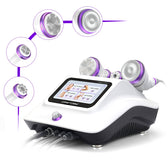
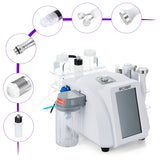
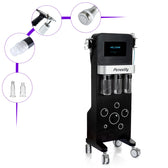
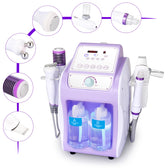
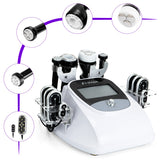
- If you are equipping a treatment room, browse the hydro dermabrasion machine collection; current model specifications, compatible solutions and pricing are listed on each product page.
Disclaimer
This content is provided for general informational purposes only and does not constitute medical advice. Individual results vary, and cosmetic treatments are not intended to diagnose or manage any medical condition. Consult a qualified dermatologist or licensed skin-care professional before any treatment, particularly during pregnancy or breastfeeding, when taking medication, or if you have an active or changing skin condition.


0 comments