

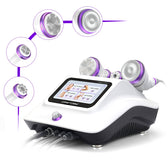
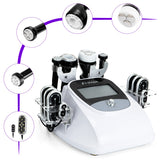

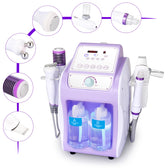
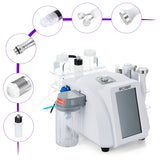
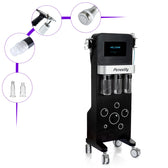

Buying your first hydro dermabrasion machine involves more than choosing a feature list. For a small salon or solo practice, the real question is whether the equipment fits your space, skills, service plan, and operating budget.
Browse the Hydro Dermabrasion Machine collection before shortlisting configurations.
This guide focuses on preparing your business for its first machine, from supplier questions to appointment costs and launch readiness. For specific models and price tiers, see our 2026 hydro dermabrasion machine comparison guide.
1. Define Your First Service Before Choosing a Machine
Hydro dermabrasion combines fluid delivery and vacuum suction for cleansing, exfoliation, and the application of compatible skincare solutions. Some suppliers call this equipment an aqua peeling machine.
Start by writing down the facial service you intend to deliver. Identify the client need, the steps included, and the functions you will actually use. A focused offering is easier to train for, explain, and price than a menu built around every available attachment.
- Client fit: What are your existing clients asking for, and how would this service differ from your current facials?
- Treatment scope: Which modes match your training and planned protocols?
- Appointment length: Allow for consultation, preparation, treatment, aftercare, documentation, and cleaning, not just time with the handle on the skin.
If you are still deciding which type of service to introduce, our comparison of hydro dermabrasion, microneedling, and chemical peels explores the broader investment decision. Once you have selected hydro dermabrasion, use the practical checks below to prepare your business.
2. Check Your Treatment-Room Setup
Measure the full working area rather than comparing machine dimensions alone. Include space for attachments, bottles, cables, supplies, and access for routine equipment care.
- Placement: Choose a stable position that allows comfortable access to both the client and the controls.
- Utilities: Confirm the model’s power requirements and any water, drainage, or fluid-handling needs with the supplier before ordering.
- Storage: Plan separate areas for clean supplies, used items, approved solutions, and replacement consumables.
- Movement: Check that tubing and cables will not obstruct the operator or the client’s route to the treatment bed.
For a shared or compact room, consider how the machine will fit alongside existing equipment and whether it can remain accessible between appointments.
3. Ask the Supplier the Right Questions
A first purchase should come with enough information to plan both treatment delivery and ongoing care. Ask for model-specific answers rather than relying on a general product brochure.
On smaller screens, scroll horizontally to view the full table.
| Topic | What to Ask | Why It Matters |
|---|---|---|
| Configuration | Which attachments and modes are included in this exact model? | Confirms that it supports your planned service. |
| Training | Can I review the manual, training materials, and operating protocols before purchase? | Helps identify preparation needs and additional costs. |
| Solutions and hygiene | Which treatment and cleaning products are compatible, and what are the required procedures? | Supports supply planning and a repeatable cleaning routine. |
| Consumables | What needs replacement, how often, and at what current cost and lead time? | Helps estimate recurring spending and avoid supply gaps. |
| Warranty and repairs | What is covered, how are repairs arranged, and who pays associated shipping costs? | Clarifies the practical impact of equipment downtime. |
Use the answers to narrow your shortlist. Our model and price comparison is the next step for comparing configurations; confirm current specifications and prices before ordering.
4. Prepare Your Training and Consultation Process
Complete relevant equipment training and check the professional requirements that apply to your practice before accepting bookings. A machine demonstration is not a substitute for understanding client assessment, contraindications, technique, and hygiene.
Your consultation process should cover skincare goals, sensitivity, recent procedures, relevant medical history, and the equipment’s contraindications. Active infections, open wounds, or significant inflammation may require postponement or referral to a qualified healthcare professional. Lower suction does not make every skin condition suitable for treatment.
If a client presents with persistent, cystic, or scarring acne, refer them to a board-certified dermatologist — see AAD acne diagnosis & treatment for clinical guidance.
Create a treatment record that captures the selected modes and settings, products used, client response, and aftercare guidance. Explain that cosmetic results vary rather than promising a fixed outcome or appointment schedule.
5. Build Cleaning into Your Daily Workflow
Use the manufacturer’s instructions to create an equipment-care checklist. This should cover flushing fluid lines, cleaning solution and waste containers, disinfecting reusable components, and disposing of single-use items.
Keep approved products available, observe the specified contact times, and schedule enough time between bookings to complete the process. Inspect filters, tubing, and seals at the recommended intervals, and record maintenance and replacements.
For a solo practice, cleaning time directly affects how many appointments you can realistically offer. Include it in your booking schedule and cost calculation from the start.
6. Calculate Your Actual Appointment Costs
Separate the initial setup budget from the cost of delivering each appointment. This gives you a more useful view than dividing the machine price by the treatment fee.
- Initial setup: Equipment, delivery, training, workspace preparation, and opening supplies.
- Per-appointment costs: Solutions, disposable items, treatment labor, cleaning labor and supplies, and any payment fees that vary with the booking.
- Ongoing overheads: Rent, marketing, insurance, servicing, and other recurring business expenses.
Contribution per appointment = treatment revenue − variable appointment costs. Contribution is not net profit: fixed overheads and other business expenses still need to be covered.
For illustration only, a $100 appointment with $35 in variable costs contributes $65 toward overheads and the initial investment. A $650 setup would require 10 such appointments to generate $650 in contribution, before accounting for fixed overheads. These are sample figures, not Surebeauty prices or a forecast of your results.
Use your own costs and conservative booking estimates. Allow for cancellations, gaps between appointments, and maintenance rather than assuming every available slot will sell.
7. Complete Your Pre-Launch Checklist
Before opening bookings, confirm that:
- The delivered equipment and accessories match the order, and setup checks are complete.
- Operators have completed the relevant training and can follow the model’s instructions.
- Consultation, treatment-record, and aftercare materials are ready.
- Compatible products, cleaning supplies, and replacement consumables are available.
- The appointment duration includes preparation, documentation, and cleaning.
- Pricing reflects actual costs, and supplier support details are easy to find.
Start with a manageable booking schedule so you can assess the workflow without rushing consultation or equipment care.
8. Review Before Expanding
A practical first machine is the 6-in-1 Hydro Dermabrasion Machine for Skin Rejuvenation — a balanced entry-level workhorse.
Track actual appointment length, solution use, cleaning time, client feedback, and maintenance needs. Compare these with your original cost estimates before adding packages or additional treatment modes.
Plan follow-up appointments around the manufacturer’s protocol, client response, and professional assessment. Add services only when demand, training, and operating capacity support them.
Your first machine should support a service you can deliver consistently. Once the practical checks are complete, explore Surebeauty’s professional hydro dermabrasion range and confirm the selected model’s configuration, training resources, and support before purchasing.


0 comments