

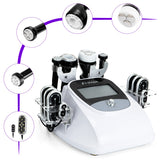


Is HydraFacial® a Type of Hydro Dermabrasion?
No. HydraFacial® is a registered trademark and a proprietary, closed system: one brand defines the handpieces, the solutions and the treatment protocol. Hydro dermabrasion (also written hydradermabrasion) is the generic name of a resurfacing technique in which water or solution and negative pressure remove surface dead cells while a water-based solution is applied in the same pass (PMC: PMC4155739). The brand is one implementation of that category, not a synonym for it. Treating the two as the same product is a common sourcing mistake when owners first price equipment.
For the technique background before you compare buying models, see our hydro dermabrasion facial pillar guide.
What Are the Real Differences Between the Two Systems?
The useful comparison is not "which works better" but how each system is built, supplied and purchased. Read it as two operating models.
| Dimension | HydraFacial® brand system | Open hydro dermabrasion systems |
|---|---|---|
| System openness | Closed and proprietary; one brand sets the handpieces, protocol and service terms | Open category; several manufacturers sell compatible machines and solutions |
| Consumable supply | Brand-controlled tips and solutions ordered through the brand's own channels | Tips and solutions sourced from the machine maker or other suppliers; compatibility is per model |
| Procurement model | Quoted by the brand, with training and support packaged by that brand | Purchased per machine from a manufacturer or distributor, with published per-model prices |
| Parameter control | Settings run inside the brand's validated protocol | The operator adjusts pressure, flow and settings within the machine's manual range |
| Typical setting | Salons standardising on one branded treatment name | Salons building a customisable menu across skin types and price points |
On price, the two are not like-for-like line items. Because one is a closed brand system and the other an open category, procurement and quotation models differ; refer to the brand's official quote for system pricing, and to the machine maker's published price for an open system. We do not publish a brand-system price here because there is no first-hand source we can stand behind.
Read the table through your daily operations. Consumable supply decides whether you can price a basic pass and an add-on separately, or whether each step is tied to one supplier's protocol. Parameter control decides how easily you adapt a session for a client with sensitive skin versus one booking a stronger resurfacing pass. Neither model is better for every salon; they simply place those decisions in different hands.
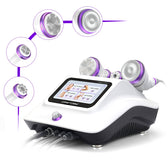
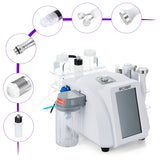
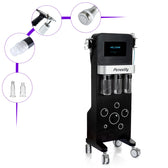
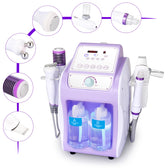
If you want to see what the open model looks like in practice, browse hydro dermabrasion machines in our collection and compare the feature combinations.
How Does the Underlying Technique Actually Work?
Both options sit on the same technique. Hydradermabrasion pairs a fluid stream with negative pressure to exfoliate and infuse in a single pass skin resurfacing review. The published evidence is small: a 20-woman randomised study of six sessions (Freedman 2008, PMID: 19146604, DOI: 10.1111/j.1473-2165.2008.00406.x) and an 8-subject imaging study (Razi 2024, DOI: 10.1111/srt.13684, PMC: PMC10983707). Those studies describe the technique in general terms. They do not establish one branded system as superior, and we do not claim that any open machine delivers the same results as a brand system.
Microdermabrasion is a separate, dry-abrasion method with broadly overlapping indications (PMC: PMC4155739). If that distinction matters to how you describe treatments to clients, see how hydradermabrasion differs from microdermabrasion.
What Do Safety and Regulation Actually Say?
Results from aesthetic devices may fall short of expectations, may be temporary, and do carry risks FDA aesthetic device guidance. That applies to the whole category, not to one brand name. Whether a device is regulated as a medical device depends on its intended use (FDA, Aesthetic (Cosmetic) Devices), and a 510(k) clearance is a substantial-equivalence premarket notification, not FDA approval of efficacy FDA 510(k) clearance explanation. In the United States, dermabrasion devices are Class I and 510(k)-exempt in many cases under 21 CFR 878.4820 (FDA, 21 CFR 878.4820). That is a regulatory classification, not a clearance certificate for any particular model, so check the labelling of the exact unit you plan to buy.
For your intake process, the postponement list matters more than the logo on the console. Review who should avoid hydro dermabrasion before booking a client with active lesions, recent isotretinoin use, a tendency to scar, or pregnancy — where safety data are insufficient and the right step is to postpone and refer for assessment.
Which One Fits Your Service Menu and Budget?
Start with your menu rather than the brand. If you plan to sell one signature treatment under a recognised name, with brand-supplied consumables and training, a closed brand system can be a coherent operational choice, subject to that brand's own quote and terms. If your menu spans several skin types, add-ons and price points, an open system gives you more say over settings, consumable sourcing and per-session cost. Either way, confirm parameter ranges and solution compatibility against the product page and user manual for the exact model instead of assuming a universal fit.
Our own line runs from compact 6-in-1 and 7-in-1 units to 8-in-1 compact and vertical models and an AI skin-analysis variant. We group them by function combination rather than by an efficacy ranking, because a higher feature count is not the same as a better outcome for every client. Stocked items ship from a US local warehouse.
What Should You Ask Before You Buy?
Put the answers in a purchasing worksheet, then carry the operational ones into your intake form:
- What is included in the quote — device, handpieces, training, consumables and service?
- Can solutions be sourced independently, and would that affect any service agreement?
- Which settings can the operator actually change, and who is trained to change them?
- What is your per-session consumable cost at your realistic weekly volume?
- Which client concerns will you decline or refer, and is that written into your intake form?
Those five questions separate the two buying models more cleanly than any brand comparison chart. A closed system answers some of them for you; an open system leaves you the choices, and the responsibility, to answer them yourself.
Frequently Asked Questions
Is HydraFacial® the same thing as hydro dermabrasion?
No. HydraFacial® is one registered, closed brand system. Hydro dermabrasion is the generic name of the water-and-suction resurfacing technique that the system uses.
Does a generic machine give the same results as the branded treatment?
We make no equivalence claim. The small published studies support the technique in general, not a head-to-head comparison of any two systems. Results depend on the model, settings, solutions and the operator, so judge a machine on those terms.
Why is the price so different between them?
The procurement and quotation models differ. A closed brand system is quoted through the brand, so refer to its official quote. An open machine is purchased from a maker or distributor at a published per-model price.
Do I need the brand name to attract clients?
Not by default. A recognised name can support a single-signature menu, while an open system can support a broader menu at different price points. Which one works depends on how you price and describe your services.
Can I use any serum in an open system?
Compatibility is per machine. Check the product page and user manual for the exact model and solution rather than assuming all bottles and tips fit every unit.
Who should skip the treatment?
Postpone and refer for assessment when a client has active lesions, recent isotretinoin use, a scarring tendency or an unresolved skin condition. In pregnancy, safety data are insufficient, so delay and involve a qualified clinician.
Where to Go Next
- Category background: What Is Hydro Dermabrasion? The Complete Guide
- Technique comparison: Hydradermabrasion vs Microdermabrasion: Which Is Right for Your Skin?
- Safety reading: Hydro Dermabrasion Side Effects and Who Should Avoid It
- All open systems: Hydro Dermabrasion Machine Collection
- Realistic results and treatment frequency
- Home vs professional treatment boundaries


0 comments