



What Do "Before and After" Results Actually Show?
Hydro dermabrasion (also called hydradermabrasion) is a generic technique that removes surface dead cells with a fluid stream and negative pressure while applying a water-based solution in the same pass (PMC: PMC4155739). That dual action explains what a photo can honestly claim: a cleaner, better-hydrated surface and, across a series, modest changes in the appearance of fine lines, pores and tone. For the full mechanism and candidacy picture, see the hydro dermabrasion before and after results overview.
The evidence is real but limited. A 20-woman randomised study of six sessions reported improvements in fine lines, pore appearance and pigmentation, alongside increased epidermal and dermal-papillary thickness (Freedman 2008, PMID: 19146604, DOI: 10.1111/j.1473-2165.2008.00406.x). An 8-subject imaging study documented short-term surface change after light-to-moderate treatment (Razi 2024, DOI: 10.1111/srt.13684, PMC: PMC10983707). Both are small studies, so the findings describe observed changes under specific conditions, not a uniform result for every client.
Equally important is what the sources do not support. Reviews describe the benefits of repeated microdermabrasion as mild but definite and note that much of the literature relies on subjective assessment (PMID: 16792646, DOI: 10.1111/j.1524-4725.2006.32165.x); effects on acne and pigment are limited (PMID: 20048628). Outcomes are temporary (AAD, Microdermabrasion: FAQs). None of this supports claims of curing acne, removing wrinkles outright, or matching laser or surgical results.
What Does the Research Say About Visible Change?
Two studies carry most of the direct evidence, and both are small.
The first is a Freedman 2008 randomised study of 20 women who received six treatments spaced 7–10 days apart. It reported increases in epidermal and dermal-papillary thickness and in polyphenol antioxidant levels, with improvements in fine lines, pores and pigmentation and no complications. The randomised design is a strength, but 20 subjects over six sessions is a small sample (Freedman 2008, PMID: 19146604, DOI: 10.1111/j.1473-2165.2008.00406.x). Read it as a trend under study conditions, not a typical result.
The second is an 8-subject line-field confocal OCT study that tracked the skin surface after light-to-moderate treatment (Razi 2024, DOI: 10.1111/srt.13684, PMC: PMC10983707). It is useful for documenting short-term surface change and recovery, not for proving long-term reversal of ageing. Treating both as exploratory is the honest reading: they show that change is measurable, not that it is large, lasting or universal.
The Results Timeline: What Changes Week by Week?
The most useful way to frame expectations is by time window, because different changes dominate at different points. What a client sees on day one is mostly hydration and surface cleanliness; what a photo can document weeks later is a change in surface texture and tone. Note that the evidence weakens as the window widens.
| Time window | Common visible change | What to do | Evidence strength |
|---|---|---|---|
| Immediately (day 0) | Plumper, cleaner, more luminous surface from hydration and light exfoliation; possible brief pinkness or tightness | Gentle cleansing, bland moisturiser, broad-spectrum SPF 30 or higher | Strong for short-term surface effect (PMC: PMC4155739) |
| Days 1–5 | Microdermabrasion pinkness usually settles within about one day (AAD microdermabrasion FAQs); a moderate-intensity hydro pass can leave visible erythema for 2–5 days (Razi 2024 imaging study) | Continue conservative aftercare; pause retinoids, acids and exfoliants as directed | Moderate, small sample |
| Weeks 2–4 | Mild changes in texture, pore appearance and tone begin to show after repeated sessions | Book the next session per plan; reassess response and skin type | Limited, small sample (Freedman 2008, PMID: 19146604, DOI: 10.1111/j.1473-2165.2008.00406.x) |
| Weeks 4–12 (a full series) | Cumulative surface improvement, then a plateau; results remain temporary | Reassess and move to a maintenance interval | Limited to low; no long-term controlled data |
Read the table as a planning aid, not a fixed promise. A light pass may settle faster than the days 1–5 window, and a reactive client may take longer; the graded timeline exists precisely so you do not describe every reaction with a single "hours" claim.
How Often Should You Schedule Treatments?
A common professional protocol is a series of four to six treatments spaced two to four weeks apart, adjusted to skin type, response and the operator's assessment. That range is a planning framework, not a promise: the number of sessions depends on the client's baseline, the concern being treated, and how the skin behaves between visits.
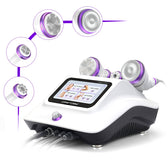
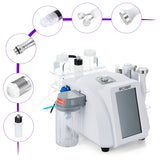
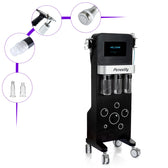
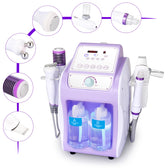
The research sits at one end of that range. The Freedman study used six sessions at 7–10-day intervals (Freedman 2008, PMID: 19146604, DOI: 10.1111/j.1473-2165.2008.00406.x), while the AAD describes microdermabrasion series of 5–16 sessions, commonly starting at roughly weekly intervals (AAD, Microdermabrasion: FAQs). Neither supports a fixed "three sessions and you are done" claim. Plan the series, reassess at each visit, and extend or space out sessions based on what you observe. When you build a service menu, the distinction between a generic technique and a branded, closed system is worth understanding; see hydradermabrasion vs microdermabrasion for that comparison. To compare configurations for your practice, browse the hydro dermabrasion machine collection.
How to Photograph Comparable Before-and-After Results
Before-and-after photos are only evidence if the conditions match. Inconsistent lighting, angle or expression can manufacture a "result" that is pure photography, and that erodes trust when a client compares images months later.
Standardise the capture:
- Use the same lighting setup and, where possible, the same time of day.
- Keep the camera at the same angle, distance and height, with head position repeatable.
- Photograph a clean, makeup-free face; no filters, retouching or "beauty" modes.
- Record the treatment number, session date and device settings beside each image.
- Ask the client to hold the same expression and remove jewellery or hair that changes the frame.
Treat baseline and follow-up images as a paired set taken under these conditions, and write the protocol into your intake workflow so any practitioner on your team can reproduce it. Remember the evidence boundary: even a perfectly matched pair is a snapshot, not a lasting outcome.
What Variables Change the Outcome?
Results vary because the inputs vary. Skin type and baseline condition, the concern being treated, device settings and solution choice, the operator's technique, and what the client does between visits all feed into the final picture.
Response also differs by skin tone and reactivity. Post-treatment redness and the postponement list matter here: clients using isotretinoin, with changing lesions, a keloid tendency, active infection, rosacea or an inflammatory acne flare, or who are pregnant or breastfeeding, should be assessed and may need to delay (AAD, Microdermabrasion: FAQs). For the full screening list, see hydro dermabrasion side effects and who should avoid it.
Aftercare is part of the result, not an afterthought. Moisturising and consistent broad-spectrum SPF 30 or higher support the surface as it settles; tinted sunscreen with iron oxides can help with dark spots in deeper skin tones (AAD, How to fade dark spots in darker skin tones). Skipping sun protection or resuming harsh actives too early can undo a visible gain and add a new problem.
Frequently Asked Questions
How soon will I see results after hydro dermabrasion?
Most of what you see in the first day or two is hydration and a cleaner surface, not a lasting change. Visible differences in texture and tone are judged over weeks and a series of sessions, not days.
How many treatments will I need?
A common plan is four to six sessions spaced two to four weeks apart, adjusted to your skin and your provider's assessment. Study protocols have used six sessions at 7–10-day intervals, but that is not a fixed rule for everyone (Freedman 2008, PMID: 19146604, DOI: 10.1111/j.1473-2165.2008.00406.x).
How long do the results last?
Results are temporary. The published studies are small and short-term, so no one can promise a specific duration; many clients return for maintenance sessions.
Why do my before and after photos look inconsistent?
Lighting, angle, distance and makeup change an image more than the treatment does. Matched conditions — the same light, angle, expression and a clean face — are needed before two photos can be compared.
Can hydro dermabrasion clear my acne or wrinkles?
It is not a medical treatment. Reviews describe mild but definite surface improvement after repeated sessions, and effects on acne and pigmentation are limited (PMID: 20048628). It does not replace medical treatment for acne or wrinkles.
Is there any downtime?
Expect brief pinkness, tightness or slight swelling. Microdermabrasion redness usually settles within about a day, while moderate-intensity hydro dermabrasion can leave visible erythema for 2–5 days (AAD, Microdermabrasion: FAQs; Razi 2024, DOI: 10.1111/srt.13684, PMC: PMC10983707).
Where to Go Next
- The complete guide to hydro dermabrasion facials
- Hydradermabrasion vs microdermabrasion: which treatment fits your menu?
- Side effects and who should postpone treatment
- Browse all hydro dermabrasion machines
- What hydro dermabrasion treats: acne, fine lines and dark spots
- Which serums support your results
- Aftercare to protect your results


0 comments