


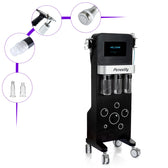

Short answer: Neither is strictly "better." Laser lipo (laser-assisted lipolysis) uses low-level laser energy to liquefy fat in smaller, precise areas and adds mild skin-firming. Ultrasonic cavitation uses sound waves to disrupt fat across larger areas, with results that build gradually.
The right pick depends on your target zone, how fast you want change, and whether you'd rather book clinic sessions or use an at-home device. [1] [2]
Disclaimer: This article is for general education only and is not medical advice. Always consult a licensed healthcare provider before any procedure or device use.
In this article
How Each Technology Works
What Is Laser Lipo?
Laser lipo — also called laser-assisted lipolysis — directs low-level laser energy through the skin to heat fat cells, prompting them to release stored fatty acids. The body's lymphatic system then processes those byproducts over time. A key advantage is precision: it can target specific, smaller pockets. [1]
What Is Ultrasonic Cavitation?
Ultrasonic cavitation emits low-frequency sound waves through a handheld applicator. The waves create pressure changes that disrupt fat-cell membranes in the treated area; the body then metabolizes the released contents via the lymphatic system. There are no incisions, anesthesia, or downtime. [2]
Laser Lipo vs. Cavitation: Side-by-Side
Swipe horizontally to compare.
| Factor | Laser Lipo | Ultrasonic Cavitation |
|---|---|---|
| Energy source | Low-level laser (light) | Low-frequency ultrasound (sound) |
| Best for | Smaller, precise pockets | Larger treatment areas |
| Skin effect | Mild firming (collagen) | Minimal direct tightening |
| Results onset | Gradual; visible ~6–12 weeks | Gradual; ~3+ sessions |
| Downtime | None | None |
| Typical clinic cost (US) | ~$500–$1,000 / session | ~$250–$450 / session |
| At-home option | Yes (combined units) | Yes (cavitation machines) |
Note: Clinic figures are directional ranges that vary by region, provider, and area size — not quotes. [1] [2]
Results & Timeline
Laser lipo's changes appear gradually as the body metabolizes liquefied fat; early improvement may show around 6 weeks, with peak results near 12 weeks. Cavitation typically needs a series — many see a difference after the first visit, but 6–12 sessions are common for best outcome.
Neither is a weight-loss method; both support contouring when paired with healthy habits. [1] [2]
Safety & Side Effects
Both are non-invasive with no downtime. Laser lipo's reported effects include temporary numbness, mild discomfort, or skin sensitivity; rare cases note a warm sensation that should resolve quickly.
Cavitation's common, short-lived effects include redness, bruising, or mild tenderness — more likely if performed poorly. Provider skill matters most for either. [1] [2]
Cost Comparison
Per clinic session, laser lipo often runs higher (~$500–$1,000) than cavitation (~$250–$450), but total cost depends on the number of sessions and area size.
A third path is buying an at-home system once: a combined cavitation + laser-lipo device costs a fraction of repeated clinic visits and lets you treat on your own schedule.
Which Should You Choose?
- Pick laser lipo if you want precise work on a small area plus a little skin-firming.
- Pick cavitation if you're covering a larger zone and want the lower per-session clinic price.
- Pick an at-home device if you prefer a one-time purchase, privacy, and flexible scheduling.
The At-Home, Non-Surgical Option
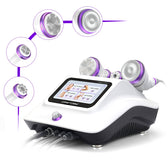
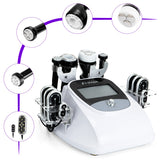
If clinic visits aren't your style, at-home body-contouring devices pair low-level laser (laser-lipo style) with ultrasonic cavitation so you can target localized areas yourself. These are adjunct tools, not clinical replacements, and work best alongside diet and exercise.
Two practical starting points:
- Browse our Cavitation Machine collection for combined ultrasound + RF + laser-lipo systems built for home use: Cavitation Machine Collection.
- See the Surebeauty 40K 6-in-1 Cavitation Machine with 5mW Laser Lipo — a multi-mode unit that pairs cavitation with a low-level laser-lipo function: View product.
Usage note: Follow the device's parameter guidance (intensity, session length, gel coupling) and aftercare (hydration, no sun on treated skin). Patch-test first. Results vary by individual.
Frequently Asked Questions
Is laser lipo or cavitation better for fat loss?
Neither is universally better. Laser lipo suits smaller, precise areas with mild firming; cavitation covers larger zones at a lower per-session clinic cost. Your area size and budget decide it. [1] [2]
Does cavitation or laser lipo tighten skin?
Laser lipo has a mild skin-firming edge because its thermal effect stimulates collagen. Cavitation primarily targets fat and offers little direct tightening.
How many sessions do you need for cavitation vs laser lipo?
Cavitation commonly needs 6–12 sessions for best results; laser lipo results build over ~6–12 weeks as the body processes released fat. Both vary by individual. [1] [2]
Is laser lipo or cavitation more affordable?
Per clinic session, cavitation is usually cheaper ($250–$450 vs $500–$1,000). An at-home device flips the math — one purchase vs many sessions.
Can I use laser lipo and cavitation together at home?
Yes. Many home systems combine both modes (plus RF) in one unit, letting you alternate technologies across a weekly routine.
Are at-home laser lipo and cavitation devices safe to use?
They're non-invasive adjuncts when used as directed. Follow intensity/session guidance, keep skin coupling with gel, stay hydrated, and patch-test first. They are not substitutes for medical treatment.
Final Thoughts
There's no single winner between laser lipo and cavitation — only the better fit for your area, budget, and schedule. Laser lipo wins on precision and mild firming; cavitation wins on coverage and clinic price. And if you'd rather skip the clinic entirely, a combined at-home device puts both technologies in your hands.
This article is for general education only and is not medical advice. Consult a licensed professional before any procedure or device use.


0 comments