



Introduction
Ultrasonic cavitation and laser lipo are non-invasive treatments used for fat reduction and body contouring. Neither involves surgery, but they work differently. This guide compares how they work, their potential benefits, and factors to consider when deciding which may suit your body goals.
How do ultrasonic cavitation and laser lipo work?
What is laser lipo?
Does lipo light laser work? Laser lipo is an aesthetic treatment that uses low-level laser energy on fat cells beneath the skin. The body then processes the released contents through its natural pathways. Laser lipo is used for body contouring in areas such as the abdomen, thighs, and love handles. Some devices are also promoted for skin tightening.
What is ultrasonic cavitation?
Ultrasonic cavitation devices use sound waves to create microscopic bubbles around fat cells. This process is intended to break down fat cells, after which the body processes the released contents. Cavitation is commonly used for localized body contouring in areas such as the belly, thighs, and arms. Skin texture may also be part of the treatment goals.
Key differences between ultrasonic cavitation and laser lipo
1. Depth of action
Laser lipo: The article describes laser lipo as targeting larger, more resistant fat deposits.
Ultrasonic cavitation: The article describes cavitation as focusing on more localized fat deposits around the belly, thighs, and love handles. Actual treatment depth depends on the device and its settings.
2. Treatment areas
Laser lipo: Used on areas such as the abdomen, thighs, and flanks.
Ultrasonic cavitation: Used for localized areas such as love handles, arms, and inner thighs. Always check a device's instructions for approved treatment areas.
3. Functionality
Laser lipo: Primarily used for body contouring with laser energy; some devices also offer skin-focused functions.
Ultrasonic cavitation: Primarily used for body contouring with ultrasound; certain machines combine it with other treatments for skin texture and elasticity.
4. Who might consider each option?
Laser lipo: An option for people interested in treating larger areas, depending on the device and professional guidance.
Ultrasonic cavitation: An option for people interested in treating smaller localized areas. The right choice depends on individual goals and the specific machine.
Safety, cost, and results
Safety
Both non-surgical treatments avoid incisions and anesthesia in their non-invasive forms. However, suitability and risks vary by device and person. Consult a qualified professional and follow device instructions to reduce the risk of adverse effects.
Cost
Treatment prices vary. Laser lipo may cost more in some settings, while home-use ultrasonic cavitation machines may offer another option for people treating smaller areas. Compare total costs and device features before deciding.
Expected results
Results may become noticeable over several sessions or weeks. The original article suggests three to six sessions for laser lipo and changes after two or three ultrasonic cavitation treatments, with fuller effects after six to twelve weeks. These are not guarantees; timing varies by person and treatment.
What to consider before choosing a treatment
Laser lipo considerations
- May be used for larger treatment areas.
- Can be more expensive in some settings.
- Results may appear gradually over weeks.
- Professional guidance may be appropriate, depending on the treatment and device.
Ultrasonic cavitation considerations
- Often used for localized body-contouring goals.
- Non-invasive, though comfort and risks vary.
- May require multiple sessions.
- Some machines are available for home use; follow their instructions closely.
Combining ultrasonic cavitation and laser lipo
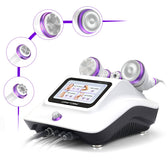
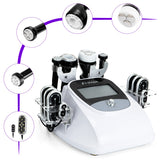
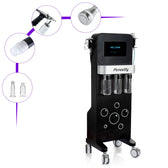
Some body-contouring machines combine cavitation and laser lipo functions in one device. That can give you multiple treatment options for body sculpting. Check which features a particular machine offers and whether it is intended for professional or home use.
Browse our collection of lipo cavitation machines to compare devices that offer these technologies.
FAQ
1. Does ultrasonic cavitation work?
It is used for localized body contouring. Results vary by individual and device.
2. Which is better: a 40K or a 30K cavitation machine?
Neither frequency is automatically better for everyone. Compare the device's intended use, settings, and manufacturer guidance for your treatment goals rather than assuming one frequency always penetrates more deeply.
3. How much weight can one lose with fat cavitation?
Fat cavitation is not a general weight-loss treatment. It is used for body contouring, and changes in measurements vary.
4. Can you have too much cavitation?
Follow the recommended treatment schedule. Overuse can lead to irritation or other adverse effects.
5. How does the body process fat after cavitation?
The body processes the contents released during treatment through its normal metabolic and lymphatic pathways. Ask a qualified professional if you have questions about how a specific treatment works.
6. Does cavitation tighten the skin?
Some machines combine cavitation with skin-tightening technologies. Check the device's features rather than assuming cavitation alone will produce the same results for everyone.
7. Does cavitation destroy fat cells permanently?
Results and their longevity can vary. Maintaining a healthy lifestyle remains important after body-contouring treatments.
8. How long does it take to see results?
The article cites a period of six to twelve weeks, but timing varies by individual, device, number of sessions, and treatment area.
Conclusion
Ultrasonic cavitation and laser lipo use different technologies for non-invasive body contouring. Laser lipo may be considered for larger treatment areas, while cavitation is often discussed for localized areas. Compare the specific devices, treatment goals, costs, and safety guidance before choosing.
If you are interested in both technologies, consider a machine that combines them. Whether you choose a professional treatment or an at-home device, follow its instructions and set realistic expectations for results.


0 comments