

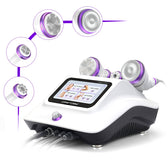
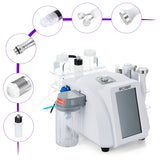
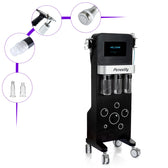
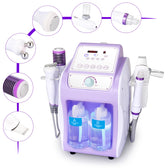
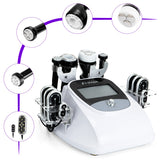

One framing point: shockwave therapy here is discussed as a cosmetic and wellness service delivered by a trained operator, not as a medical treatment. Whether a device falls under medical-device regulation depends on intended use and whether it affects bodily structure or function, as the FDA explains for aesthetic devices. If a client has a diagnosed condition, the answer is to refer them to a clinician, not to treat around it.
The contraindications to screen for
Contraindication lists are strikingly consistent across clinical sources — NHS patient guidance, Mayo Clinic and Physiopedia all converge on the following groups (NHS Kent; Mayo Clinic, 2024; Physiopedia, ESWT).
- Is pregnant — shockwave is not applied over the fetus or the pelvic/abdominal region during pregnancy.
- Has a malignant tumour in or near the treatment area.
- Has a bleeding disorder or is on anticoagulant medication — the risk of bruising or haematoma is materially higher.
- Has a cardiac pacemaker or other implanted electronic device, or an unstable cardiac condition.
- Has an active infection, open wound, recent fracture or a joint replacement at the treatment site.
- Has reduced or altered sensation in the area, or cannot reliably report discomfort during a session — they cannot give you the feedback you need to dose safely.
Additional precautions for high-energy focused application: avoid the lung, brain and spinal cord regions, and growth plates in children. These matter mainly in clinical settings, but they explain why "more energy is better" is the wrong instinct.
The practical rule for a salon: if a client ticks any of these boxes, do not treat. Ask them to obtain medical clearance or work with a qualified clinician. A written record of that decision protects the client and the business.
Turn the list into an intake question sheet
A contraindication list is only useful if it becomes a question you actually ask. Build these into your intake form:
| Ask the client | Why you are asking |
|---|---|
| Are you pregnant, or could you be? | Pregnancy is a screening-out condition |
| Do you have a pacemaker or any implanted electronic device? | Deposition of energy near devices is unsafe |
| Are you taking blood thinners, or do you have a clotting disorder? | Bleeding and bruising risk |
| Do you have cancer, or a tumour in the area to be treated? | Contraindicated over malignant tissue |
| Is there an infection, wound, fracture or recent joint surgery at the site? | Local tissue should not be treated |
| Do you have reduced sensation in the area? | They cannot report discomfort to guide intensity |
| Have you had a steroid injection in the area recently? | Clinical guidance treats this as a caution (NHS) |
Keep the answers on file, date them, and re-check at later sessions if circumstances change. This is the same discipline any aesthetic service should apply; shockwave is simply one where the contraindications are unusually clear-cut and well documented.
Side effects to explain before the first session
Setting expectations honestly prevents most complaints. Documented side effects are usually mild and short-lived:
- Redness or light swelling at the application site
- Temporary bruising or tenderness
- A brief change in sensation or numbness
- Discomfort during the session itself
These typically settle within a few days and before the next appointment. Rare but real complications — such as tendon or fascia rupture — are discussed in the clinical literature, which is another reason screening and conservative settings matter (PMID 38228375). A 2022 review across 46 ESWT studies reported a good safety profile with no serious adverse events, but also stressed that the evidence base is heterogeneous and methodologically limited (Wigley et al., 2022).
"Does it hurt?" and other honest answers
Does it hurt? Clients usually describe firm tapping or pulsing rather than sharp pain. You titrate intensity against their feedback; mild soreness afterwards is possible but usually brief.
How many sessions? There is no universal number. A course of sessions is typical rather than a single visit, and the count depends on the device, the target and the aim. Clinical sources note that ESWT is often considered after conservative measures have not helped and is used alongside a wider programme (NHS; Physiopedia). Treat any fixed "six sessions and you're done" promise with scepticism.
Will it fix a medical condition? Do not make that claim. These are cosmetic and wellness devices in this context. Where a client has a diagnosed musculoskeletal problem, refer them for clinical assessment — the evidence for specific sports and tendon conditions exists in medical settings under clinical protocols (Rhim et al., 2024), which is a different context from a salon service.
What if a client wants it anyway despite a contraindication? Decline and document it. "The client insisted" is not a defence.
A note on position and scope
Position shockwave as a supportive service within a wider menu, not a single fix for everything. Keep your intake, your settings and your language inside the cosmetic-and-wellness frame, and you will avoid both the safety problems and the overclaiming that attract regulatory attention. For the evidence boundaries behind that position, see What Is Shockwave Therapy; for choosing the hardware, see the buyer's guide.
FAQ
Can a client on blood thinners be treated? Not without medical clearance. Bleeding and bruising risk is a standard contraindication across clinical guidance.
Is shockwave safe during pregnancy? No — it is not applied over the fetus or the abdominal and pelvic region during pregnancy. Screen for this explicitly.
What if the client has a pacemaker? Screen out or require medical clearance. Implanted electronic devices are a standard contraindication.
How should I describe the result to a client? In terms of a course of sessions and a supportive wellness service, not a promised outcome. Aesthetic-use evidence is promising but limited.
Where to go next
- What Is Shockwave Therapy? What It Does and What the Evidence Supports
- Professional Shockwave Machines: A Buyer's Guide by Salon Type
- Focused vs Radial Shockwave: What Actually Differs
- Shockwave Therapy Machine Cost: What Salons Really Pay For
- Shockwave Therapy Machine Collection — the units themselves, with applicator sets and specifications.


0 comments