


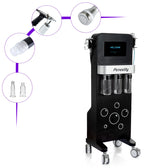

In the ever-evolving world of non-invasive cosmetic treatments, HIFU—short for High-Intensity Focused Ultrasound—has taken center stage. Marketed as a non-surgical facelift alternative, HIFU promises tighter, smoother, and younger-looking skin without needles, downtime, or drastic procedures. But with devices ranging from $200 to over $5,000 and professional treatment packages costing hundreds to thousands of dollars, many are left wondering: Are HIFU machines really worth the money in 2026?
In this in-depth guide, we'll explore what HIFU technology is, how it works, what results you can expect, who it's best for, and whether investing in a HIFU machine or treatment is a smart decision in 2026.
What Is HIFU?
HIFU stands for High-Intensity Focused Ultrasound, a cutting-edge technology that uses focused sound waves to penetrate deep into the skin's layers. It targets the SMAS (Superficial Musculo-Aponeurotic System) layer—the same layer addressed during surgical facelifts.
Unlike lasers or radiofrequency treatments that work on the surface or mid-layers of the skin, HIFU delivers precise ultrasound energy at depths of 1.5 mm, 3.0 mm, and 4.5 mm, heating tissue to around 60–70 °C. This heat creates controlled micro-injuries, stimulating a natural healing process that promotes collagen regeneration and skin firming.
What Are HIFU Machines Used For?
HIFU is used primarily for facial rejuvenation and tightening. Common treatment areas include:
Face
- Lifts and firms sagging skin
- Reduces fine lines and wrinkles
- Defines jawline and cheek contours
- Lifts hooded eyes and tightens the brow area
- Improves skin texture and elasticity
Neck
- Reduces neck wrinkles
- Tightens loose skin under the chin
- Smooths neck creases
Body
- Addresses mild skin laxity on arms, thighs, and stomach
- Non-surgical tightening for post-pregnancy skin
- Improves skin tone after weight loss
Types of HIFU Machines in 2026
1. Professional-Grade HIFU Machines
Used in medical spas and clinics, professional-grade machines feature higher energy output, deeper penetration, and multiple cartridges for different depths. Retail prices typically range from $3,000–$15,000. Professional treatment sessions cost $400–$1,500 depending on the area treated. Browse our full professional HIFU machine collection for clinic-ready options.
2. At-Home HIFU Devices
Home-use HIFU devices have grown in popularity, offering compact, lower-powered alternatives for maintenance and mild improvement. Typical price range: $200–$1,500. Best suited for maintaining results between professional sessions.
3. Hybrid / Combo Models
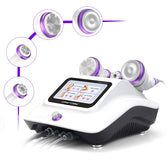
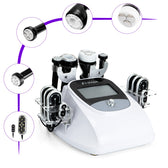
Mid-tier machines combining HIFU with RF or EMS deliver enhanced multi-modal results and are increasingly popular in salon and advanced home settings. Typical price range: $800–$3,000. The 7-Cartridge HIFU Machine (from $1,399) covers 1.5 mm, 3.0 mm, and 4.5 mm depths for full face and neck protocols.
Are HIFU Treatments Effective?
The short answer is yes—when performed correctly and on the right candidate.
Published clinical studies and real-world results indicate HIFU can:
- Improve skin elasticity and visible lift
- Reduce wrinkles and fine lines
- Deliver noticeable firming over 2–3 months
- Provide results lasting 6–12 months (sometimes longer with maintenance)
Clinical Context
A 2019 study in Dermatologic Surgery reported 92% patient satisfaction at the 3-month mark. A 2021 study found HIFU particularly effective for mild to moderate skin laxity, especially in the lower face and jawline. Individual results vary based on age, skin condition, device quality, number of sessions, and lifestyle factors.
HIFU vs. Other Skin Tightening Treatments
| Feature | HIFU | RF (Radiofrequency) | Microneedling | Surgical Facelift |
|---|---|---|---|---|
| Invasiveness | Non-invasive | Non-invasive | Minimally invasive | Surgical |
| Target Depth | Up to 4.5 mm (SMAS) | Up to 2 mm | Epidermis & dermis | SMAS & muscles |
| Recovery Time | None | None | 1–2 days | Several weeks |
| Result Duration | 6–12 months | 3–6 months | 3–6 months | Several years |
| Cost per Session | $300–$800 | $100–$400 | $150–$300 | $8,000+ |
HIFU is generally favored for lifting and tightening. RF suits general rejuvenation, microneedling excels for texture and acne scarring, and surgical facelifts remain the gold standard for severe sagging.
Is HIFU Safe?
HIFU is FDA-cleared and widely used in professional and clinical settings worldwide. When performed correctly with a quality device, side effects are typically mild and short-lived:
- Mild redness or swelling (usually resolves within hours)
- Tingling or tenderness (may persist for a few days)
- Rare temporary numbness or superficial bruising
Important safety caveats: When used improperly—particularly with low-quality or uncertified machines—there is risk of burns, unintended fat reduction in treated areas (including cheeks), and uneven results. Professional-grade machines should only be operated by trained practitioners. At-home devices must be used strictly per manufacturer instructions. Always consult a licensed professional before beginning HIFU treatments if you have active skin conditions, metal implants in the treatment area, pregnancy, or other medical contraindications.
Are At-Home HIFU Machines Worth It in 2026?
At-home HIFU devices continue to improve, and in 2026 several well-rated options are safe, user-friendly, and appropriate for maintenance and mild improvement between professional sessions.
Pros
- Cost-effective over time compared to repeated clinic visits
- Convenient—use on your own schedule
- Ideal for maintaining results between professional treatments
- Non-invasive with minimal downtime
Cons
- Lower energy output than professional-grade devices
- Results are more gradual and subtle
- Require consistent, repeated sessions
- Technique matters—improper use reduces effectiveness and may cause discomfort
For significant lifting or moderate to severe laxity, professional treatment from a trained practitioner is likely to deliver better outcomes.
What to Look for in a HIFU Machine
Whether buying for clinic or personal use, evaluate these key specifications:
- Cartridge depths: 1.5 mm, 3.0 mm, and 4.5 mm for face and neck coverage
- Adjustable energy output for different skin types and areas
- Safety features: auto shut-off, temperature sensors, skin-contact detection
- Verified reviews and clinical backing
- Warranty and after-sales support
- Multifunction options: e.g., RF, EMS, or LED combination modes
Cost Breakdown: Clinic Treatment vs. Buying a Machine
| Option | Upfront Cost | Ongoing Cost | Typical Lifespan | Est. Annual Cost |
|---|---|---|---|---|
| Professional clinic sessions | $400–$800/session | Per visit | N/A | $800–$2,400+ |
| At-home HIFU device | $200–$1,500 | Cartridges: $50–$200/year | 2–5 years | $150–$500 (amortized) |
| Professional-grade salon machine | $1,399–$1,500+ | Cartridges + gel | 3–7 years | Varies by usage volume |
For long-term users, spa owners, or aestheticians performing regular treatments, investing in a quality machine typically delivers a strong return—if used consistently.
Are HIFU Machines Worth the Money in 2026?
Yes—for the right candidate.
You're likely to benefit from HIFU if you:
- Are experiencing mild to moderate skin laxity
- Prefer non-invasive, no-downtime solutions
- Want to delay or avoid more invasive cosmetic procedures
- Are a spa owner or aesthetician looking to expand treatment offerings
- Plan to use the device consistently over time
HIFU may not be the best fit if you have severe skin laxity, active skin infections, metal implants in the treatment area, or certain medical conditions. Always consult a licensed professional if you are unsure whether HIFU is appropriate for your situation.
Shop Verified HIFU Machines
Ready to explore your options? Browse our full range of professional HIFU machines, or start with one of these featured models:
- 7-Cartridge HIFU Machine for Skin Rejuvenation — multi-depth face & neck coverage, from $1,399
- 7D HIFU Machine with 2 Handles & 7 Cartridges — dual-handle salon system for face & body, from $1,400
- 2-in-1 HIFU Machine for Facial & Body Tightening — versatile combo device, from $1,500
All machines ship from our verified warehouse with full product support. Questions? Contact our team before purchasing to confirm the right device for your treatment goals.


0 comments