


High frequency skincare has firmly moved from spa back rooms into everyday beauty routines. In 2026, these devices are more accessible and more capable than ever—but the mistakes people make with them have stayed remarkably consistent. If you have been using a high frequency wand and not seeing the results you expected, one of the errors below is likely the reason.
This guide refreshes the core guidance for 2026, adds a practical comparison of at-home versus professional treatment, and links out to devices you can shop directly from Surebeauty. Let's get into it.
What Is High Frequency Skincare—And Why Does It Keep Growing?
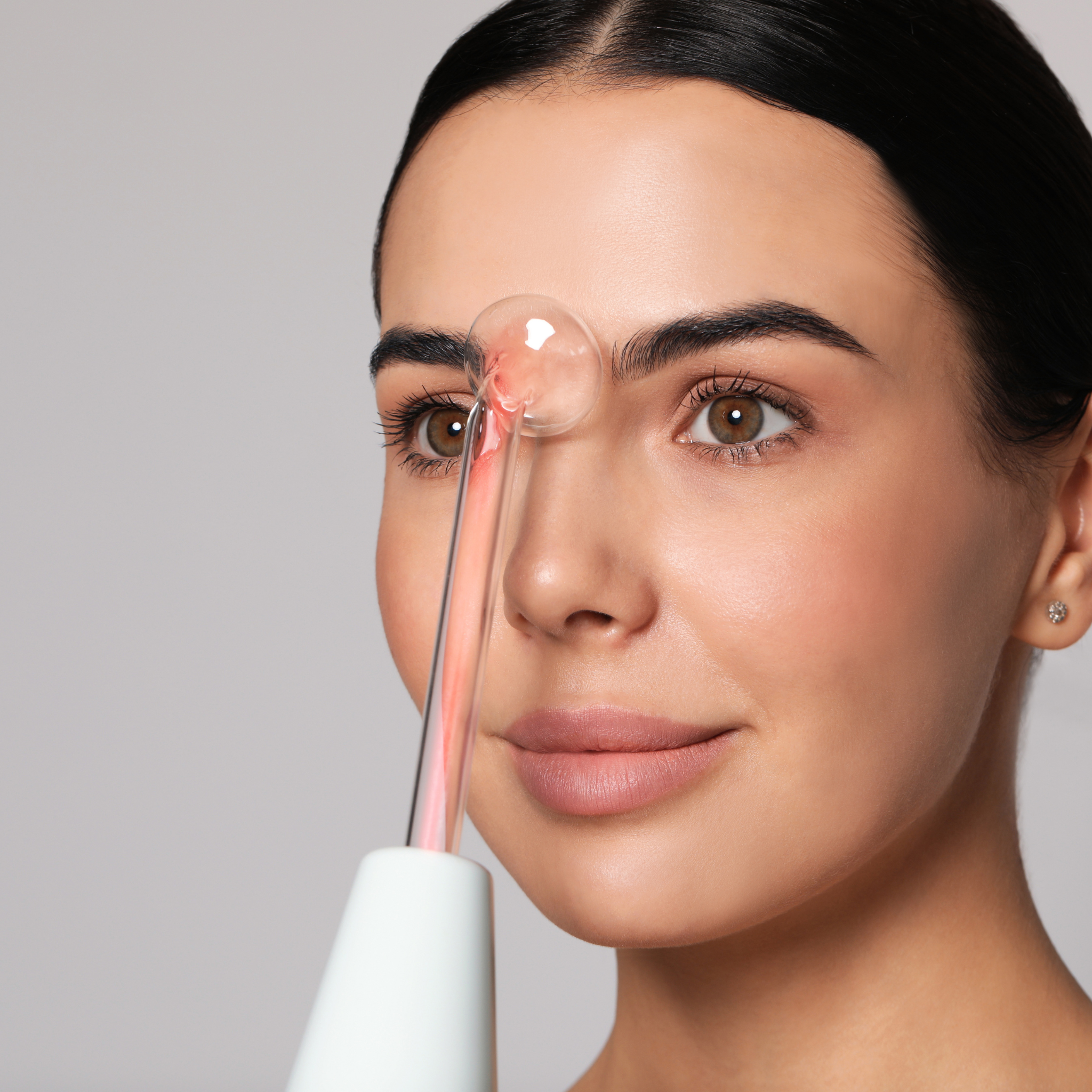
High frequency devices pass a mild alternating electrical current through a glass electrode filled with either neon (orange glow, warming, circulation-focused) or argon gas (violet glow, antibacterial, acne-focused). The current creates a gentle ozone effect on the skin's surface, which is what drives its antibacterial and circulation-boosting reputation.
In 2026, dermal therapists and at-home users alike continue to reach for these devices as a complement to serums, microcurrent tools, and professional facials. Popularity has grown alongside a broader shift toward device-led skincare—but that popularity also means more people are using their wands incorrectly.
At-Home vs. Professional High Frequency Treatment: A Quick Comparison
| Factor | At-Home Device | Professional Treatment |
|---|---|---|
| Power output | Lower (consumer-safe) | Higher (clinic-grade) |
| Cost per session | Low (one-time device purchase) | Higher (per-visit fee) |
| Convenience | Treat any time at home | Requires scheduling |
| Customization | Fixed electrode set | Esthetician-guided protocol |
| Best for | Maintenance, mild acne, scalp care | Deeper concerns, first-time users |
| Learning curve | Moderate—read on to avoid mistakes | Low—technician handles technique |
For most people, at-home devices work best as a consistent maintenance tool between professional sessions, or as a standalone routine for mild concerns. The Surebeauty Portable High Frequency Wand with 4 Electrodes is a popular starting point, covering the most common facial and scalp applications in one kit.
The 10 Most Common High Frequency Skincare Mistakes in 2026
1. Using the Device on Broken or Actively Inflamed Skin
This is the most important rule, and the most frequently broken one. High frequency devices deliver a mild electrical current, and applying that current to open wounds, freshly popped pimples, cold sores, or actively infected skin can spread bacteria, worsen inflammation, and slow healing.
What to do instead: Wait for any open lesion to close and begin healing before treating the surrounding area. High frequency is excellent for preventing future breakouts—not for treating active, broken ones.
2. Skipping Pre-Treatment Cleansing
Applying a high frequency wand to skin that still carries makeup, SPF, or excess sebum is counterproductive. Residual product can interfere with the ozone effect, clog the treatment action, and increase the risk of breakouts from the oxygenating current pushing surface debris into pores.
What to do instead: Double-cleanse if you have been wearing makeup or sunscreen. Pat dry completely—the device performs best on clean, dry skin.
3. Overusing the Device
The appeal of visible results can push users to treat daily or for extended sessions. High frequency stimulates circulation and produces ozone, and overdoing it leads to dryness, sensitivity, or a compromised skin barrier—the opposite of what you are after.
What to do instead: Follow the manufacturer's guidelines. For most at-home devices, 2–3 sessions per week at 5–10 minutes per session is the effective range. Give your skin recovery time between treatments.
4. Using the Wrong Electrode for the Treatment Area
Multi-electrode kits exist because different areas of the face and scalp need different contact shapes. Using a large mushroom electrode on the narrow bridge of the nose, for example, produces poor skin contact and uneven results.
What to do instead:
- Mushroom electrode: Cheeks, forehead, jawline—broad flat areas
- Spoon or tongue electrode: Under-eye area, chin, sides of nose
- Point electrode: Targeted blemish treatment
- Comb electrode: Scalp stimulation for hair care routines
5. Pressing Too Hard—or Hovering Too Far Away
Contact technique matters more than most users realize. Pressing the electrode firmly against skin suppresses ozone production, reducing the antibacterial effect. Holding it too far away causes visible sparking and sharp tingling that serves no treatment benefit.
What to do instead: Glide the electrode with light, consistent contact. For sensitive skin or beginners, placing a single layer of gauze between the electrode and skin smooths the glide and slightly diffuses the current for more comfort.
6. Skipping Conductive Mediums When the Technique Calls for Them
Some high frequency methods—particularly indirect high frequency, where the client holds the electrode while the therapist massages the face—require a conductive medium such as gauze or a compatible gel. Even for direct application, the gauze method (Mistake 5 above) acts as a light conductive layer. Ignoring this guidance produces inconsistent results.
What to do instead: Check your device's manual for which technique it supports. If using gauze, a single clean layer is sufficient. Avoid thick oils or cream-based products directly under the electrode—they resist current transmission.
7. Using the Device Over Metal Implants or Without Checking Medical History
High frequency devices are contraindicated for people with pacemakers, implanted defibrillators, or significant metal implants near the treatment area. This is a safety issue, not a skincare preference.
What to do instead: Read the contraindications in your device manual before first use. If you have any implanted electronic devices or recent metalwork (including dental), consult your doctor before adding high frequency to your routine.
8. Ignoring Post-Treatment Skin Care
High frequency temporarily increases skin permeability and circulation. This is an advantage—but only if you use it. Applying nothing after treatment, or immediately layering on heavy makeup, wastes the absorption window and can introduce irritants at a vulnerable moment.
What to do instead: Follow treatment with a hydrating serum containing hyaluronic acid, aloe vera, or niacinamide. Avoid actives like retinol or exfoliating acids immediately post-treatment. Apply SPF if you are treating in the morning.
9. Not Cleaning the Electrode After Every Session
An antibacterial device that harbors bacteria on its electrode is working against itself. Users frequently skip electrode cleaning, particularly between sessions—and sharing electrodes without sterilization is a direct route to cross-contamination.
What to do instead: Wipe electrodes with a 70% isopropyl alcohol wipe after every session. Allow them to air dry fully before storing. Never share electrodes between users without sterilization.
10. Expecting Overnight Results
High frequency devices are effective—but they work through consistent, cumulative sessions, not single dramatic treatments. Users who quit after two or three sessions because they did not see an immediate change miss the point of the technology entirely.
What to do instead: Commit to a consistent schedule for 4–6 weeks before evaluating results. Track progress with photos taken in the same lighting. Pair your device routine with a stable skincare regimen for best outcomes.
Quick-Reference Mistake Checklist
Before each session, run through these five checks:
- ✓ Skin is clean, dry, and free of open wounds
- ✓ Correct electrode selected for the treatment area
- ✓ Session length is within the recommended 5–10 minutes
- ✓ No contraindicated conditions present
- ✓ Post-treatment hydrating serum is ready to apply
Shop High Frequency Tools at Surebeauty
If you are ready to start—or restart—a proper high frequency routine, Surebeauty carries devices suited to both beginners and experienced users:
- Portable High Frequency Wand with 4 Electrodes — a compact, full-kit option covering facial and scalp treatments
- Browse the full Facial Care Machine collection for complementary devices including microcurrent, hydrodermabrasion, and more
- Explore Microcurrent Facial Machines if you want to pair high frequency work with muscle-toning and lifting technology
Final Thoughts
High frequency skincare in 2026 is more accessible than ever, and the devices available to home users have continued to improve. But technology only delivers results when technique is solid. Avoiding the ten mistakes above—using the right electrode, maintaining correct contact, respecting session limits, and following up with proper aftercare—is what separates users who see real improvements from those who write the devices off after a few weeks.
Be consistent, be patient, and listen to your skin. If you have a specific skin condition or underlying health concern, a consultation with a licensed esthetician or dermatologist before starting is always worth the time.


)
1 comment
jords
February 22, 2026 at 10:01 PMSo good and helpful