


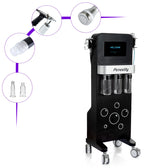

This guide helps small salons, beauty startups, and solo beauty professionals choose hydro dermabrasion equipment for their treatment rooms. It explains how the technology works and what to consider when comparing machines, planning services, and calculating operating costs.
Contents
- What Is a Hydro Dermabrasion Machine?
- What Does It Do?
- How Does It Work?
- Hydro Dermabrasion vs Microdermabrasion
- Where It Fits in Your Treatment Menu
- Preparing Your Practice
- Cleaning and Maintenance
- Client Screening and Consultation
- Planning Follow-Up Appointments
- How to Choose Equipment for Your Business
- Budgeting and Service Planning
- Hydro Dermabrasion Machines from Surebeauty
- Final Thoughts
1. What Is a Hydro Dermabrasion Machine?
1.1 Definition and Overview
A hydro dermabrasion machine is a facial treatment device that combines fluid delivery and vacuum suction for cleansing, exfoliation, and the application of skincare solutions. Some suppliers also call this type of equipment an aqua peeling machine.
1.2 Its Role in Professional Skincare Services
The equipment can form part of a professional facial service. Before adding it to your practice, consider your clients’ needs, your team’s training, available treatment-room space, and budget. The right machine is one that supports the services you plan to offer, not necessarily the model with the most functions.
2. What Does It Do?
2.1 Cleansing and Exfoliation
Fluid delivery and suction help remove surface debris and exfoliate the skin. Treatment tips and adjustable settings allow the operator to adapt the procedure to the client’s assessment and the equipment’s operating instructions.
2.2 Pore Care
Vacuum-assisted cleansing may help address pore congestion. Appropriate suction and technique matter more than maximum power.
2.3 Hydration and Solution Application
The machine delivers compatible skincare solutions during treatment. When comparing models, check which products they can use and how much solution a typical appointment requires.
2.4 Skin Texture and Appearance
Treatments may improve the appearance of skin texture and hydration. Outcomes vary, so explain what the service can reasonably offer rather than promising the same result to every client.
3. How Does It Work?
3.1 Fluid Flow and Vacuum Suction
The treatment handle delivers fluid while applying controlled suction. Tip design and machine settings influence how the operator works across the skin.
3.2 A Typical Appointment
The exact procedure depends on the equipment and client assessment, but a professional appointment generally includes:
- Consultation and skin assessment
- Skin cleansing
- Fluid-assisted exfoliation and vacuum cleansing
- Application of compatible skincare solutions
- Finishing products and aftercare guidance
- Treatment documentation and equipment cleaning
4. Hydro Dermabrasion vs Microdermabrasion
4.1 Key Differences
| Consideration | Hydro Dermabrasion | Microdermabrasion |
|---|---|---|
| Treatment method | Fluid-assisted exfoliation and vacuum suction | Mechanical exfoliation using crystal or diamond-tip systems |
| Skincare solutions | Compatible solutions are delivered during treatment | Hydrating products are generally applied separately |
| Equipment care | Cleaning of fluid lines, containers, and treatment tips | Maintenance of tips or crystal systems, depending on the model |
4.2 Which Fits Your Service Menu?
Compare both options against your existing services, client needs, training, and consumable costs. Neither is automatically the better choice. For a small practice, how well the equipment fits your daily operations matters more than expanding the menu for its own sake.
5. Where It Fits in Your Treatment Menu
5.1 A Multi-Step Facial Service
Combining several facial steps in a single treatment can help you build a clearly defined service. Allow enough appointment time for consultation, preparation, the procedure itself, and cleaning.
5.2 A Focused Offering
Start with a service you can explain and deliver consistently. Describe what the appointment includes, who it may suit, and how it differs from other facials on your menu. A clear offering makes pricing and client communication easier.
6. Preparing Your Practice
6.1 Training and Setup
Before accepting bookings, complete the relevant equipment training and check local professional requirements. Set up a treatment area with access to supplies, clean storage, and suitable facilities for equipment care.
6.2 Consistent Operating Procedures
Create a checklist covering machine preparation, approved solutions, treatment records, and cleaning. Avoid excessive suction, passes beyond the recommended protocol, and incompatible products. A repeatable routine is especially useful when you manage both treatments and business administration.
7. Cleaning and Maintenance
7.1 Between Appointments
Follow the manufacturer’s instructions for flushing fluid lines, cleaning solution and waste containers, and disinfecting reusable components. Use approved cleaning products, observe the required contact times, and dispose of single-use items as directed.
7.2 Scheduled Equipment Care
Inspect filters, tubing, and seals at the recommended intervals. Keep a maintenance log and replace consumables when due. Include both cleaning time and replacement supplies in your operating budget.
8. Client Screening and Consultation
8.1 Assessing Suitability
Discuss skincare goals, sensitivity, recent procedures, and relevant medical history during consultation. Check the equipment’s contraindications and determine whether the treatment is appropriate and within your professional scope.
8.2 When to Postpone or Refer
Active infections, open wounds, or significant inflammation may require postponement or referral to a qualified healthcare professional. Reducing suction does not make every skin condition suitable for treatment.
9. Planning Follow-Up Appointments
9.1 Treatment Intervals
Base follow-up appointments on the manufacturer’s protocol, the client’s response, and your professional assessment rather than applying one schedule to everyone.
9.2 Reviewing Progress
Record client feedback and skin response so you can review the plan over time. Explain that results and their duration vary, and recommend further appointments only when appropriate.
10. How to Choose Equipment for Your Business
10.1 Buyer’s Checklist
- Adjustable Suction: Look for clear controls, a suitable adjustment range, and practical operating guidance.
- Useful Functions: Choose features that match your qualifications and planned services. Extra handles add value only if you will use and maintain them.
- Ease of Use: Evaluate the controls, handle comfort, setup process, and training requirements.
- Space Requirements: Check dimensions, storage needs, and access for cleaning and maintenance.
- Reliability and Servicing: Ask about warranty coverage, spare parts, repairs, and replacement consumables.
- Ongoing Costs: Compare spending on solutions, tips, training, and maintenance, not just the purchase price.
- Supplier Support: Confirm what help is available before and after purchase, including training materials and technical assistance.
11. Budgeting and Service Planning
11.1 Start with Services You Can Deliver Well
A focused menu is easier to price and manage than a broad range of unfamiliar treatments. Choose equipment around the services you are qualified and ready to offer, with room to expand as demand develops.
11.2 Estimate the Cost per Appointment
Calculate the cost of solutions, disposable supplies, labor, and cleaning for each appointment. Then work out how much each treatment earns after those variable costs. Use that figure to estimate how many appointments would be needed to cover the equipment investment, while also allowing for fixed overheads and maintenance.
Keep booking estimates realistic. Local demand, available appointment slots, and your pricing will all affect the financial outcome.
11.3 Evaluate Add-On Services
If you plan to offer LED light therapy, RF services, or other add-ons, check the training, treatment protocols, and suitability requirements for each. Build packages around a clear client need rather than the number of functions included with the machine.
12. Hydro Dermabrasion Machines from Surebeauty
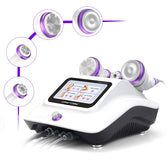
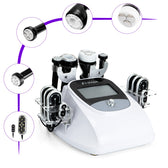
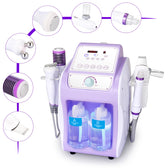
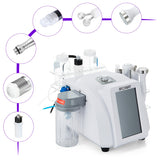
Explore Surebeauty’s professional hydro dermabrasion machines and the 8-in-1 hydro dermabrasion system when building your equipment shortlist.
Review the specifications of each model and confirm its training resources, solution compatibility, maintenance needs, warranty terms, and after-sales support. Choose the model that fits your treatment menu, available space, and budget.
13. Final Thoughts
The right hydro dermabrasion machine should support your practice, not complicate it. Prioritize useful features, straightforward maintenance, reliable support, and operating costs you can sustain.
Start with a clear service plan and realistic budget. Those foundations matter more than a long feature list when investing in equipment for your business.


0 comments