

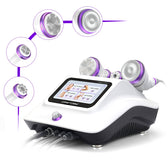
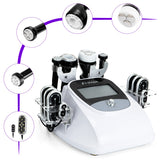

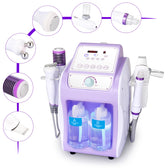
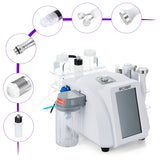

Quick answer: Hydradermabrasion (a water-based, serum-infused exfoliation) is gentler, hydrating, and better for sensitive or dehydrated skin with little to no downtime. Microdermabrasion (a crystal or diamond-tip physical abrasion) is stronger on thick, congested skin and surface texture, but can be more irritating. Choose hydradermabrasion if your priority is comfort and glow with zero redness; choose microdermabrasion if you want a more aggressive resurfacing and don't mind a short recovery.
Disclaimer: This article is for general education only and is not medical advice. Skin reactions vary by individual. Consult a licensed esthetician or dermatologist before starting any new facial treatment, especially if you have active acne, rosacea, or a skin condition.
What Is Microdermabrasion?
Microdermabrasion is a physical exfoliation that uses either fine crystals or a diamond-tipped wand to mechanically buff away the outermost layer of dead skin cells. It is a dry, abrasive process—no liquid is involved.
- How it feels: A mild "sanding" sensation; most clients describe it as a light scratching or suction.
- Best for: Thick, oily, or congestion-prone skin; smoothing rough texture and superficial sun damage.
- Downtime: Minimal, but skin may look pink for a few hours.
- Typical course: A series of 6–10 sessions spaced 1–2 weeks apart.
What Is Hydradermabrasion?
Hydradermabrasion (often called a "hydro facial" or "aqua peel") is a water-based, serum-infused exfoliation. A pressurized stream of fluid lifts away dead cells while simultaneously delivering hydrating and clarifying serums into the skin.
- How it feels: Cool, soothing, and hydrating—most clients feel no discomfort.
- Best for: Sensitive, dehydrated, or redness-prone skin; delivering glow with essentially no irritation.
- Downtime: None—you can return to normal activity immediately.
- Typical course: Monthly maintenance, or as needed before events.
Hydradermabrasion vs Microdermabrasion: Key Differences
| Dimension | Microdermabrasion | Hydradermabrasion |
|---|---|---|
| Mechanism | Dry crystal / diamond abrasion | Water + serum jet exfoliation |
| Comfort | Mild scratching, possible pinkness | Cooling, virtually painless |
| Hydration | Can leave skin dry | Infuses serums, leaves skin hydrated |
| Downtime | A few hours of redness | None |
| Best skin type | Thick, oily, congested | Sensitive, dehydrated, reactive |
| Strength on texture | Stronger on rough texture | Gentler, glow-focused |
| Risk of irritation | Higher on thin skin | Lower overall |
Which Facial Should You Choose?
- Choose hydradermabrasion if: you have sensitive or dehydrated skin, hate downtime, want a "red-carpet glow" before an event, or are new to facials.
- Choose microdermabrasion if: you have resilient, oily, or thickened skin, visible rough texture, and want a more intensive resurfacing.
- For acne-prone skin: hydradermabrasion is generally the safer first step—see our guide on how hydro dermabrasion treats acne, fine lines & dark spots. If you experience post-facial breakouts, read breakouts after a hydro facial: a triage guide.
Side Effects & Safety
Both treatments are low-risk when performed correctly, but each carries specific considerations:
- Microdermabrasion: Temporary redness, slight tightness, rare pinpoint bleeding on very thin skin. Avoid on active acne, open wounds, or active rosacea flares.
- Hydradermabrasion: Rare mild tingling; very low irritation risk. Avoid if you have a known allergy to any serum ingredient used in the tip.
- Who should pause: Pregnant clients, those on isotretinoin (within 6 months), or anyone with an active skin infection should postpone both treatments.
Source: American Academy of Dermatology (AAD) on in-office exfoliation and skin prep — aad.org
Aftercare & Recovery
- First 24 hours (both): Skip retinoids, acids, and exfoliants; use a gentle cleanser and broad-spectrum SPF 30+.
- Hydradermabrasion: Hydration-focused; a soothing serum mask is usually fine the same evening.
- Microdermabrasion: Avoid heavy makeup for 24 hours; moisturize well to counter any dryness.
- Watch for: Any breakout, prolonged redness beyond 48 hours, or burning—see the post-facial triage guide or consult your provider.
Frequently Asked Questions
Which is more painful?
Hydradermabrasion is virtually painless; microdermabrasion can feel like light scratching with brief pinkness.
Can I do both?
Yes—many protocols use microdermabrasion for texture followed by hydradermabrasion for hydration, but space them a week apart and let your esthetician assess your skin first.
How often should I get one?
Hydradermabrasion: every 3–4 weeks. Microdermabrasion: a series of 6–10, then monthly maintenance.
Which is better for acne scars?
Hydradermabrasion is the gentler entry; deeper scar revision usually needs professional assessment. See hydro dermabrasion for acne & dark spots.
Do I need downtime?
Hydradermabrasion: none. Microdermabrasion: a few hours of mild redness at most.


1 comment
face treatment
November 29, 2025 at 03:53 PMImpressive! Thanks for sharing this.
https://beautifulbeingsclinic.com/