

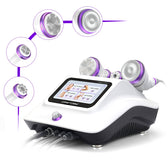
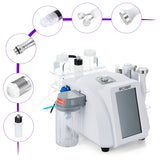
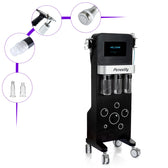
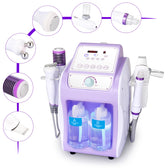
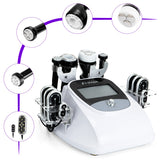

The real answer is a boundary. A home diamond device and a salon treatment use the same core mechanism — superficial abrasion plus vacuum — and can produce a similar temporary smoothing of the surface. What differs is everything around that mechanism: who assesses your skin, what settings are used, how hygiene is handled, and what happens if something goes wrong. This guide draws that line honestly, so you can decide whether a kit, a salon, or both make sense for you. If you are new to the mechanism itself, read the fundamentals guide first.
What a home device genuinely does
A home diamond microdermabrasion kit exfoliates the top layer of skin. The American Academy of Dermatology describes the procedure as gently removing the top layer, with results that tend to be temporary and that usually require a series of sessions (AAD microdermabrasion FAQs). A home kit can reproduce that basic action: an abrasive tip and suction working on the surface.
That is a meaningful thing. Regular, gentle surface exfoliation can make skin look and feel smoother for a time. For someone whose goal is a mild, maintainable refresh at home, a device does a real job. The key word is superficial — the effect is on the outermost layer, not the deeper structures where scars and significant pigmentation sit.
Two limits come with the home setting. You are both the operator and the subject, so judgement about pressure, passes and tolerance is your own. And the results are modest: evidence reviews for acne and pigmentation in this category are limited, so a home kit should be judged against a temporary cosmetic improvement, not a treatment outcome.
What a salon adds around the same mechanism
When you book a professional microdermabrasion treatment, you are paying for more than the handpiece.
Assessment before the session. A trained practitioner looks at your skin and adjusts — or declines — the treatment. The AAD specifically advises checking with a dermatologist before a spa treatment or home kit if you have a changing spot, have used isotretinoin within six months, or scar easily (AAD microdermabrasion FAQs). That screening step is easier to do well when someone else is looking at your skin.
Settings chosen for you. A practitioner varies pressure and passes across different areas of your face and can stop the moment skin reacts. A home user working from a fixed routine has less feedback.
Hygiene you do not have to manage. Tips are cleaned or replaced between clients under a set protocol. At home that responsibility is entirely yours — see the contraindications and cleaning guide for how to handle tips and filters.
A clear escalation path. If a reaction happens in a salon, there is someone trained to recognise and manage it. At home, you need to know your own stop criteria and when to seek advice.
None of this means a salon is always better for every person. It means the session includes a layer of professional judgement that a device alone cannot provide. AAD guidance also notes the procedure is performed in salons and non-medical spas as well as by dermatologists, with dermatologists generally offering the most conservative, informed approach where risk is concerned.
Dry diamond is not water-assisted resurfacing
One source of confusion is worth clearing up before you compare services. The treatment described here is dry diamond microdermabrasion — an abrasive tip plus vacuum, no liquid in the circuit. Many salons also offer hydro dermabrasion or hydradermabrasion, which uses a liquid stream with suction to cleanse and infuse solution.
They are different mechanisms, and the aftercare and result expectations do not transfer between them. A home dry-diamond kit is not a substitute for a salon hydro treatment, and a "3-in-1" home machine that adds a spray function is still a hybrid, not the same clinical service. It also matters that these are cosmetic devices: in the United States, 21 CFR 878.4820 covers dermabrasion devices as a regulated medical-device category (eCFR 21 CFR 878.4820), and a portable home kit is not a cleared device under that classification. Our separate hydradermabrasion versus microdermabrasion comparison covers the wet category; this guide stays with dry diamond.
Cost, convenience and the honest trade-off
The practical case for a home kit is access and frequency. A one-time purchase removes the need to book and travel, and it makes gentle exfoliation available whenever it fits your routine. For someone who would otherwise not go to a salon at all, a device is a genuine improvement over doing nothing.
The trade-off is depth of judgement. A salon visit costs more per session but bundles assessment, professional settings and hygiene handling. Many people use both: a professional treatment occasionally, with a home device for light maintenance between visits. That is a reasonable way to think about it — the two are complements more than substitutes.
There is also a time commitment to consider on both sides. A salon appointment means scheduling, travelling and sitting through a session someone else controls; a home device fits your own routine but asks you to set up, clean and put away the handpiece each time. Neither is effortless. The better choice is usually the one you will actually keep up with safely — a professional session you attend regularly, or a gentle home routine you can sustain with sensible recovery time between treatments.
Whichever route you take, expect a temporary improvement in surface texture. The AAD describes microdermabrasion results as tending to be temporary and requiring maintenance, with most people needing a series of sessions rather than a single visit (AAD microdermabrasion FAQs). Framing it that way prevents the disappointment of expecting one treatment — at home or in a salon — to produce a permanent change.
| Home diamond kit | Salon treatment | |
|---|---|---|
| Core mechanism | Dry diamond tip + vacuum | Same, or water-assisted variant |
| Skin assessment | Your own | Practitioner's professional judgement |
| Settings | Fixed or user-adjusted | Chosen and varied for you |
| Hygiene responsibility | Yours | Handled by the salon |
| Reaction management | You stop and seek advice | On-site recognition and care |
| Cost pattern | One-time purchase | Per session |
| Best for | Light, regular maintenance | Periodic treatment and skin-guided care |
When to skip the device and see a dermatologist
Some skin problems are outside the scope of either a home kit or a cosmetic salon treatment. The AAD directs people with icepick, rolling or boxcar acne scars toward professional interventions, because surface exfoliation cannot rebuild dermal scar tissue. Persistent pigmentation, a changing or bleeding spot, active inflammatory acne that is not improving, and any suspicious lesion belong with a dermatologist, not a handpiece.
A useful rule: if your goal is a temporary improvement in surface texture and glow, a home kit is a fair option. If your goal is to change scar tissue, clear a persistent rash, or investigate a changing spot, neither a device nor a salon facial is the right first step.
FAQ: the questions people ask before choosing
Is a home kit as good as a salon microdermabrasion? For the basic superficial exfoliation, the mechanism is the same and the surface result is similar and temporary. The salon adds assessment, tailored settings and hygiene handling that a home kit cannot.
Will a home device save money? Over repeated use it can, but only if you would otherwise be paying for frequent sessions. Compare it against your actual routine, not against one expensive treatment.
Can I use a home kit between salon appointments? Yes, many people do, with gentle settings and enough recovery time between sessions. Ask your practitioner what schedule suits your skin.
How often is too often? Recovery varies. The AAD notes many people can be treated again after about a week, while some need several weeks. See the frequency guide for the detail.
What if I have sensitive skin or rosacea? These are common reasons to pause and get individual advice first. The contraindications guide covers who should skip a session.
Where to go next
- For the mechanism and evidence behind surface exfoliation, read Diamond Microdermabrasion Explained.
- For real machines, prices and what each function changes, see Diamond Microdermabrasion Machines Compared.
- For who should not use a device and how to clean one, open Who Should Not Use a Diamond Device.
The home kits covered here are listed in our diamond microdermabrasion collection.


0 comments