


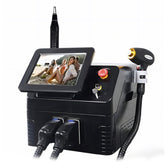

To address stubborn fat in areas like the belly, waist, back, and thighs, exercise is key. However, even with exercise, the last bit of fat can be difficult to address. An ultrasonic cavitation machine may be another option. Cavitation machines are non-invasive devices that use sound waves in body-contouring treatments.
Some machines combine cavitation with other technologies, such as radio frequency. Results and skin-related benefits vary by device and person.
You can use certain machines from the comfort of your home. If you're considering one, explore our four at-home cavitation machine picks below.
What is an ultrasonic cavitation machine?
As the name suggests, an ultrasonic cavitation machine uses ultrasound waves in a non-invasive body-contouring treatment. The treatment does not require an incision and is also called ultrasonic lipolysis.
Keep in mind that ultrasonic cavitation targets localized areas rather than overall weight loss. Results may also be affected by diet and lifestyle, so consider your eating habits and activity alongside treatment.

Potential benefits of ultrasonic cavitation
- Targets specific areas: Cavitation machines can be used on certain areas of the body, such as the thighs, belly, legs, arms, or buttocks. Always check the instructions for your device before using it on a sensitive area.
- No surgical scars: Unlike surgical procedures such as liposuction, ultrasonic cavitation does not involve incisions or anesthesia.
- Non-invasive treatment: You may feel warmth during a session. Sensations and comfort levels can vary.
- No added chemicals: Cavitation uses ultrasound waves rather than chemical treatments. Follow the device's instructions for any required conductive gel.
- At-home convenience: Some home-use devices are designed for short sessions. Check your manual for the recommended session length and frequency, and maintain a healthy diet and activity routine.
- Flexible session length: Session duration varies by device and treatment area; follow the manufacturer's guidelines.
- Gradual results: Some people may notice changes after a few sessions, while others may need more. Results vary by person and device.
Before using a cavitation machine
- Read the manual thoroughly before treatment.
- Consult a doctor if you have a skin condition or chronic illness.
- Do not use the machine during pregnancy unless your healthcare provider confirms it is appropriate.
- Use conductive gel if your device instructions require it.
- Measure progress consistently if you want to track changes.
How to use a cavitation machine at home
Follow the instructions for your particular home cavitation machine. The general steps are:
- Apply ultrasound gel as directed by the device manual to help the probe glide over the skin.
- Turn on the machine using its power button.
- Adjust the available settings and timer according to the manual. Features such as EMS, infrared, and sonic modes depend on the model.
- Move the probe across the target area as instructed, adjusting intensity to a comfortable level.
- Follow your device's recommended treatment duration and interval rather than exceeding them.
Avoid using the machine around the eyes or heart, and follow all device-specific safety guidance.
How to get the best results from cavitation
- Stay hydrated according to your personal health needs.
- Maintain a balanced diet and limit highly processed foods and alcohol.
- Consult your doctor before making major dietary changes or trying intermittent fasting.
- Include physical activity, such as cardio and strength training, in your routine.
- Get enough sleep.
- Ask a qualified professional whether complementary practices are suitable for you.
What to consider before buying a home cavitation machine
- Features: Look for the functions you need.
- Treatment duration: Check the recommended usage limits.
- Size: Choose a machine that is easy to store if space is limited.
- Power output: Compare specifications, but do not assume higher wattage is always better for you.
- Intensity levels: Look for adjustable settings appropriate to the intended treatment areas.
- Safety: Check for heat regulation and an automatic shut-off timer.
- Gel: Check whether the machine requires cavitation gel.
- User manual: Look for clear instructions.
- Warranty: Review the warranty terms.
- Price: Weigh the features against your needs and budget.

Four cavitation machines for home use
1. MS-11R9 VIVASHAPE Cavitation Machine
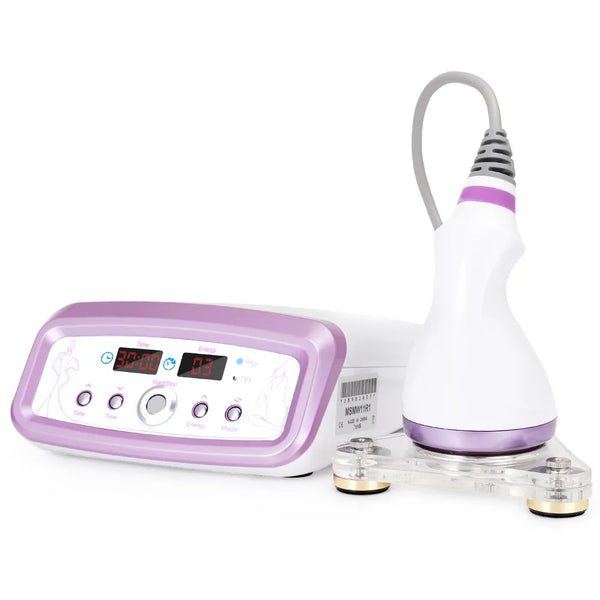
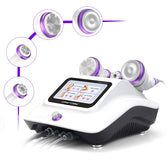
The VIVASHAPE Cavitation Machine uses a 40 kHz cavitation frequency and includes radio frequency for skin-tightening treatments. Its LED touchscreen lets users customize settings. The compact, portable design makes it convenient for at-home use.
2. MS-32J3 ContourMax 3-in-1 RF Cavitation Machine

The ContourMax 40K 3-in-1 Ultrasonic Cavitation Machine uses a 40 kHz cavitation frequency and includes radio frequency functions for the body and face. It can be used on areas such as the abdomen, arms, thighs, and buttocks. Three handles target different areas for a more customized treatment.
3. MS-2102 Lily Home-Use 30K Cavitation Machine

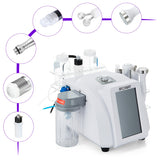
The Lily 30K Ultrasonic Cavitation Machine combines cavitation and RF skin-tightening functions in one handle. It is designed for non-invasive body-sculpting and skin-tightening treatments without incisions or anesthesia.
4. MS-54D1S Sophia 40K Ultrasonic 6-in-1 Cavitation Machine with 5 mW Laser Lipo

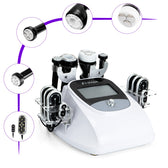
Sophia is a 6-in-1 cavitation machine that combines several non-invasive technologies in one device. Its functions include ultrasonic cavitation, radio frequency, vacuum therapy, and microcurrent therapy. It is designed to address a range of aesthetic concerns with different treatment options.
30K vs 40K cavitation machines
Ultrasound frequency, intensity, and treatment time can influence how a cavitation machine is used. Frequency, measured in hertz (Hz), indicates the number of oscillations per second. For example, 1 MHz is one million oscillations per second. A higher frequency has a shorter wavelength, which may affect penetration depth.
A 30K ultrasonic cavitation machine uses a lower frequency than a 40K machine. The longer wavelength may reach deeper tissue, but the right choice depends on the device and your treatment goals. For more detail, read the linked comparison above.
For customer reviews and before-and-after pictures, visit our reviews and photos page.
Summary
At-home cavitation machines offer a non-surgical body-contouring option. The four devices introduced here have different features, so compare their functions and instructions before choosing one.
Before using any cavitation machine, read its instructions carefully and follow the safety precautions. Cavitation is not a substitute for healthy habits, and individual results vary.
FAQ
1. Does ultrasonic cavitation at home really work?
Results vary. Use appropriate equipment and follow its directions. Learn how to operate the machine step by step and which probe is intended for each area.
2. Does cavitation help with weight loss?
Ultrasonic cavitation is intended for localized body contouring, not overall weight loss or obesity treatment. It may help reduce measurements in targeted areas.
3. How long does it take to see results from ultrasonic cavitation?
Be patient and avoid overusing the device in pursuit of quick results. The original guidance suggests allowing 6 to 12 weeks to assess visible changes; results vary by person and machine.
4. Is a cavitation machine FDA-authorized?
Regulatory status depends on the specific device and its intended use. Check the manufacturer's documentation for the model you are considering rather than assuming all cavitation or RF devices have the same status.
5. Will I regain weight?
Weight can change over time, especially if you do not maintain a healthy lifestyle, nutritious eating habits, and regular activity.
6. Are there any side effects?
Possible side effects include redness or discomfort. To reduce risks, never exceed the duration specified in the manual.
7. How frequently should I use my cavitation machine?
Follow your device manual for the number of sessions and the interval between them. Do not assume that a schedule for one machine applies to another.
8. What's the main difference between a cavitation machine and laser liposuction?
A cavitation machine uses ultrasonic waves in body-contouring treatments, whereas laser liposuction uses laser energy.
9. What is the best cavitation machine for home use?
The best option depends on your needs and budget. Look for a user-friendly machine with relevant features, clear safety information, customer reviews, and a detailed manual.


0 comments